
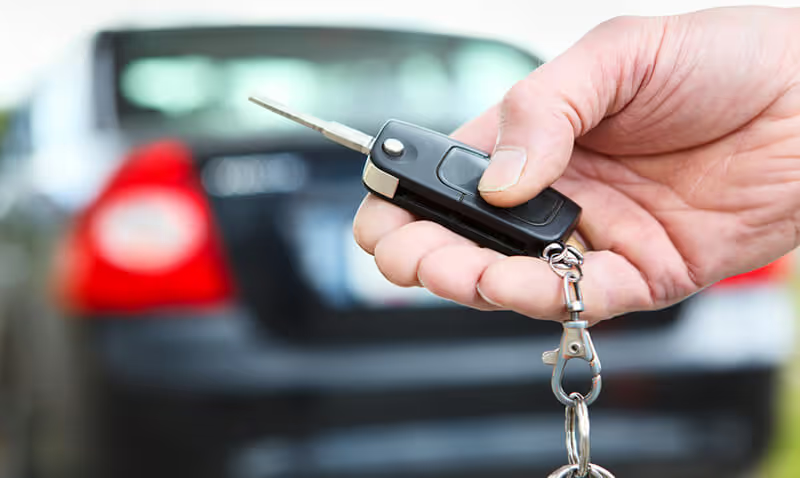
Tips for Choosing the Right Key Duplication Service
Getting a spare key may seem straightforward, but the quality of the result depends on more than simply placing an old key into a cutting machine. The type of key, the condition of the original, the correct key blank, and the cutting method can all affect whether the new key operates properly.
If you're looking for key duplication in Dubai, start by choosing a service that can correctly identify your key and determine the appropriate duplication method before cutting it. Standard house keys, dimple keys, restricted key systems, and car keys do not necessarily follow the same process.
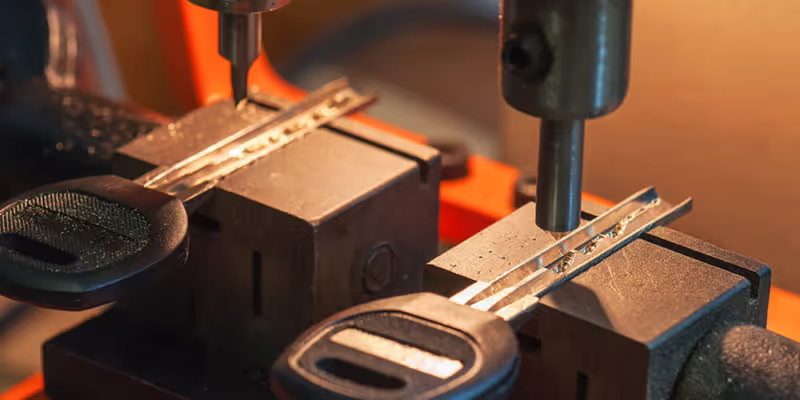
A good key duplication service should also tell you when copying the existing key is not the best solution. If the original is badly worn, damaged, or connected to a restricted key system, the job may require a different approach.
This guide explains what to check before choosing a key duplication service, which types of keys may require special attention, and when the problem may actually be with the lock rather than the key.
Is Every Key Duplication Service the Same?
No. Keys can differ significantly in design and complexity.
A simple mechanical key may only require a compatible blank and accurate cutting. Other keys may have dimples, restricted profiles, electronic components, or authorization requirements.
This means the first question shouldn't simply be:
“Can you copy this key?”
A better question is:
“What type of key is this, and what is required to duplicate it correctly?”
The provider should identify the key before deciding how to copy it.
First, Identify the Type of Key You Need to Copy
Knowing what kind of key you have helps determine the required equipment, blank,, and process.
Standard House and Apartment Keys
Many residential keys are conventional mechanical keys.
The duplication process generally involves identifying a compatible blank and reproducing the cuts of the original key.
Although the process may be relatively straightforward, accurate cutting still matters. A poorly cut key may be difficult to insert, turn roughly, or fail to operate the lock correctly.
Dimple Keys
Dimple keys use drilled or milled cuts on the key surface rather than relying solely on conventional edge cuts.
They require equipment and blanks appropriate for the particular key profile.
The fact that two dimple keys look similar does not necessarily mean they use the same blank or belong to the same key system.
High-Security and Restricted Keys
Some key systems use controlled or restricted key profiles.
The ability to obtain another key may depend on the particular system, availability of authorized blanks, and any applicable authorization procedure.
For this reason, a restricted key shouldn't be treated like an ordinary house key.
Patented Keys
Some patented keys are part of controlled key systems designed to restrict unauthorized key production.
The duplication procedure depends on the manufacturer and system. Proof of authorization or specific documentation may be required before another key can be supplied.
Car Keys
Modern car keys can combine two different functions:
Mechanical access and electronic authorization.
Cutting the blade correctly does not necessarily mean the new key can start the vehicle.
Depending on the vehicle and key system, car key duplication may involve cutting a mechanical blade and programming or configuring an electronic component.
This is why car keys should not automatically be treated like ordinary house keys.
7 Things to Check Before Choosing a Key Duplication Service
Rather than choosing a provider based only on price or proximity, check whether they can properly handle the type of key you have.
1. Can They Correctly Identify Your Key?
This is the starting point.
The provider should determine whether you're dealing with a standard mechanical key, dimple key, restricted system, car key, or another type.
Correct identification helps determine everything that follows.
2. Do They Have the Correct Key Blank?
A key blank is the uncut key from which the duplicate is produced.
A blank needs to be compatible with the intended lock or key system. Visual similarity alone isn't enough to establish compatibility.
Before cutting, the provider should confirm that the appropriate blank is available.
3. Do They Have Suitable Equipment for That Key?
Different key designs can require different cutting or programming equipment.
A machine suitable for conventional edge-cut keys may not be the appropriate equipment for every dimple, high-security, or automotive key.
Ask whether the service supports your specific key type rather than assuming every machine can copy any key.
4. Is Your Original Key Suitable for Duplication?
The condition of the original matters.
A key used for many years can become worn. A key may also be bent, cracked or otherwise damaged.
Copying directly from a poor reference can potentially reproduce some of its problems.
Before duplication, the original key should therefore be inspected.
5. Is the Key Restricted?
Not every key should be approached as an unrestricted mechanical copy.
If the key belongs to a restricted or controlled system, there may be specific procedures for obtaining an additional key.
This is also where the words stamped on a key can create confusion.
A key marked “Do Not Duplicate” should not automatically be assumed to be identical to a patented or technically restricted key system. Our guide to Do Not Duplicate keys explains this distinction in more detail.
6. Is the Price Clear Before the Key Is Cut?
Key duplication prices can vary because different keys require different blanks, equipment, and amounts of work.
Ask for the price after the key has been identified and before duplication begins.
Be particularly careful when comparing prices for completely different key types. The cost of copying a conventional mechanical key doesn't provide a meaningful comparison for an electronic car key or restricted key system.
7. Can the New Key Be Checked?
A newly duplicated key should be inspected before you rely on it as your only spare.
Where practical and appropriate, check its operation with the intended lock.
A duplicate shouldn't require excessive force to insert or turn.
If it doesn't work correctly, don't repeatedly force it inside the cylinder.
Why Does the Condition of the Original Key Matter?
Key duplication normally relies on information obtained from the original key.
That makes the condition of the source key important.
Over time, repeated use can wear the edges or cuts of a mechanical key. Keys can also become bent or damaged.
If your original key already:
- Sticks in the lock
- Requires movement or wiggling to turn
- Has visibly worn cuts
- Is bent
- Is cracked
- Works inconsistently
tell the key technician before requesting a duplicate.
The underlying issue should be identified rather than automatically producing another copy.
Can a Worn Key Be Duplicated?
Potentially, but whether copying it directly is appropriate depends on its condition and the key system.
A duplicate made from a worn reference should not automatically be expected to restore the key to its original specification.
This is particularly important when the existing key already operates poorly.
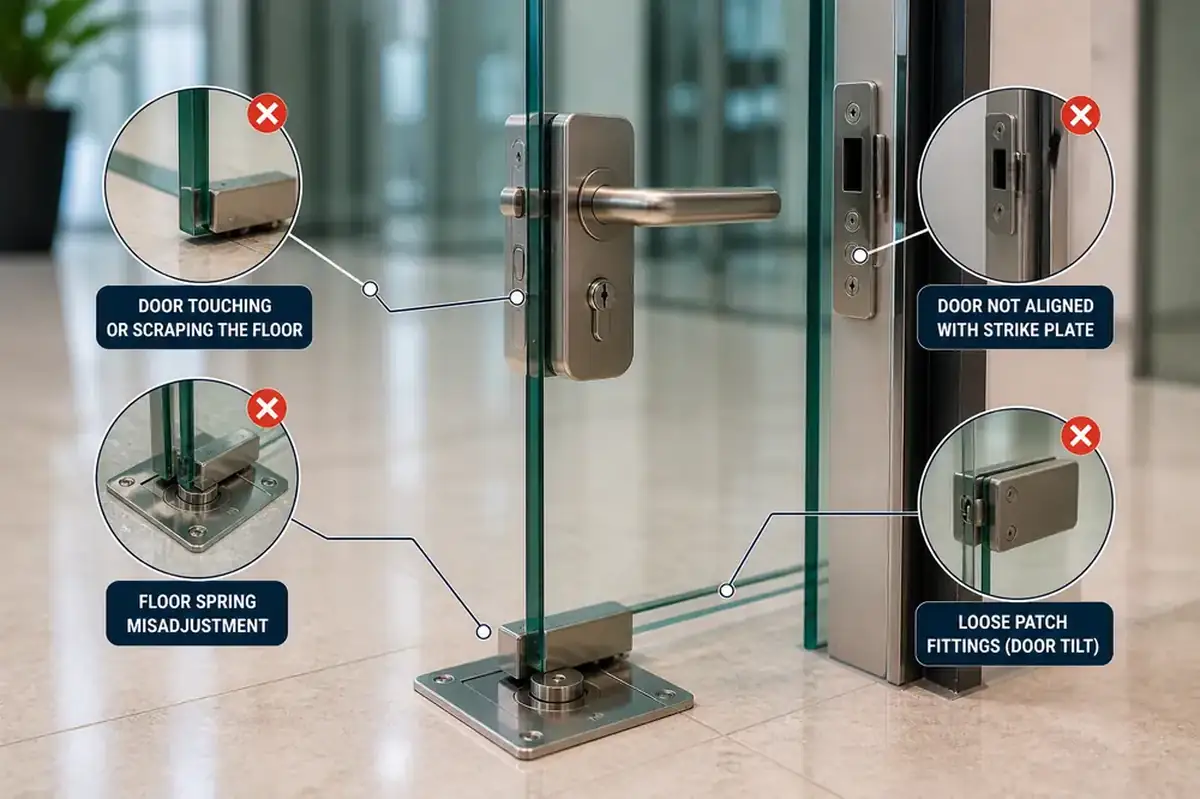
Sometimes the problem isn't the key at all.
A worn cylinder, door-alignment problem, or damaged locking mechanism can also make a perfectly usable key difficult to operate.
The key and lock should therefore be considered together when the symptoms are unclear.
Can Every Key Be Duplicated?
No single answer applies to every key.
A conventional unrestricted mechanical key differs from a restricted key system, a patented key, an electronic vehicle key, or an access credential.
The first step is to identify exactly what you have.
Standard Mechanical Keys
Many standard mechanical keys can be duplicated when a compatible blank and appropriate cutting equipment are available.
Do Not Duplicate Keys
The words “Do Not Duplicate” can cause confusion.
The marking itself and the technical restrictions of a particular key system are separate considerations.
If your key carries this marking, read our detailed guide to Do Not Duplicate keys to understand why the actual key system matters.
Restricted and Patented Keys
A restricted or patented system may use controlled blanks and authorization procedures.
In these cases, the question isn't simply whether a cutting machine can physically reproduce the key. The rules and supply controls associated with that particular system need to be considered.
Electronic Keys and Credentials
Electronic credentials require a different assessment.
A car key, RFID card or key fob can contain electronic information in addition to—or instead of—a mechanically cut key.
These should not be grouped together with conventional key cutting.
Key Cutting vs Key Duplication: What's the Difference?
The terms key cutting and key duplication are often used interchangeably, but they can describe slightly different aspects of the process.
Key duplication generally refers to producing another key from an existing one.
Key cutting refers to physically creating the required cuts or profile on a key blank.
In a typical duplication job, key cutting is part of the duplication process.
However, not every newly cut key necessarily comes from copying another physical key. In some key systems, a key may be produced using other authorized information or specifications where the required system and equipment support it.
For most customers looking for a spare house key, though, the practical objective is the same: obtaining another key that works properly.
What About Car Key Duplication?
Car keys deserve their own category.
Older or simpler vehicle keys may primarily involve a mechanical blade, while many modern vehicle keys also incorporate electronic components.
Depending on the vehicle, the key system can involve:
- Mechanical blade
- Transponder
- Remote-control functions
- Smart or proximity functions
These components serve different purposes.
A correctly cut blade may unlock a mechanical door cylinder, yet still be unable to start the vehicle if the required electronic authorization has not been configured.
Similarly, a remote-control problem does not automatically mean that the mechanical blade needs to be recut.
For car key duplication, provide the vehicle make, model, and year so the appropriate key type can be identified before the work begins.
What About Access Cards and Key Fobs?
Access cards and key fobs are not conventional mechanically cut keys.
They are electronic credentials used by compatible access-control systems.
Whether another credential can be produced depends on the technology and system configuration.
Some credentials may be compatible with duplication processes, while others may need to be issued or enrolled through the building or system administrator.
If you need another building, office, or parking credential, access card duplication in Dubai should therefore be assessed separately from conventional key cutting.
Don't assume that every RFID card or key fob can simply be copied.
Shop-Based vs Mobile Key Duplication
Another consideration is whether to visit a key shop or request mobile service.
Shop-Based Key Duplication
Visiting a shop can be convenient when you already have the original key and simply need an additional copy.
You can bring the key directly for identification and determine whether the appropriate blank and equipment are available.
Mobile Key Duplication
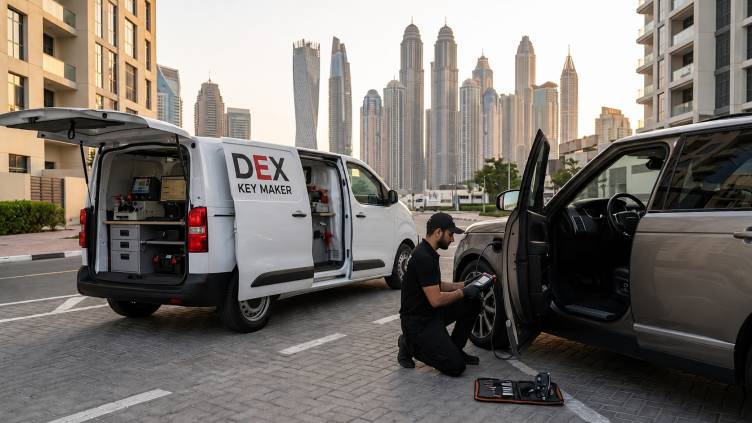
Mobile service can be useful when the job needs to be handled at the property or vehicle location.
For example, onsite service may be appropriate when the key or lock needs to be checked together or when transporting the relevant item isn't practical.
The better option depends on the type of key and the situation.
Before arranging mobile service, explain what type of key you have and what you need, so the provider can determine whether the required work can be performed onsite.
Questions to Ask Before Having a Key Copied
You don't need to understand every technical detail of key cutting. A few practical questions can help establish whether the service is appropriate:
- What type of key do I have?
- Can this particular key be duplicated?
- Do you have the correct compatible blank?
- Is there any authorization requirement for this key system?
- Is my original key in suitable condition to copy?
- Does this key require both electronic programming and cutting?
- What is the price before the work begins?
- Can the duplicate be checked after cutting?
The answers should be specific to your key, not generic promises that any key can be copied.
Why Might a Newly Duplicated Key Not Work Properly?
A new duplicate that doesn't operate correctly doesn't necessarily prove that the lock is faulty.
Possible factors include:
Key will not enter fullyBlank compatibility, key profile or cuttingKey enters but will not turnCutting accuracy, key profile or lock conditionKey turns only with movement or wigglingKey wear, cylinder wear or alignmentOriginal works but duplicate does notDuplicate key or blank should be checkedBoth original and duplicate operate poorlyLock, cylinder, door alignment or worn originalCar blade works but engine will not startElectronic/transponder authorization may need checking
These are troubleshooting indicators rather than definitive diagnoses.
Avoid repeatedly forcing a key that doesn't operate normally; first identify the actual cause.
When Key Duplication Isn't the Right Solution
Sometimes making another key doesn't solve the underlying problem.
Suppose your existing key is difficult to turn. You might assume that getting a new copy will fix it.
But the actual problem could involve:
- A worn key
- A worn cylinder
- Door or strike misalignment
- Internal lock wear
- A damaged key
- Another mechanical issue
Similarly, if a key has broken inside the lock, the immediate problem is extraction and inspection rather than simply making another copy.
If the symptoms appear to involve the physical locking mechanism, a locksmith in Dubai can inspect the key, cylinder and door to determine whether duplication, key cutting, lock repair or another solution is appropriate.
Should You Duplicate a Key Before It Becomes Worn?
If you rely on a single mechanical key, having a suitable spare can be useful.
Waiting until the only key is severely worn, bent, or broken can make the situation more complicated.
Where appropriate, having a duplicate made while the original is still in good condition can provide a better reference for conventional duplication.
This doesn't mean creating unnecessary copies of controlled keys. For restricted systems, property access and workplace keys, follow the applicable authorization and key-control procedures.
Where Should You Keep a Spare Key?
A duplicate is useful only if it is managed responsibly.
Avoid obvious hiding places immediately around an entrance.
For household keys, decide which authorized family members need a copy and keep track of how many keys are in circulation.
For businesses and managed properties, key control becomes even more important. Additional copies should be issued intentionally rather than produced without a record of who has access.
If controlling multiple levels of physical access is becoming difficult, a different key-management arrangement may be more appropriate than continually creating additional copies.
Frequently Asked Questions About Key Duplication
How Do I Know If My Key Can Be Duplicated?
The key needs to be identified first. Standard mechanical keys, restricted systems, patented keys, vehicle keys, and electronic credentials can have different duplication requirements.
Can a Worn Key Be Copied?
It may be possible, but the condition of the original matters. If the existing key is heavily worn or already operates poorly, tell the technician before duplication.
Can a Key Be Copied Without the Original?
That depends on the key-and-lock system. Conventional duplication typically uses an existing key as the reference, though other methods may be available in certain systems and situations.
Can a Do Not Duplicate Key Be Copied?
The marking and the actual technical restrictions of the key system should not be treated as the same thing. Restricted or patented systems may have controlled blanks or require authorization.
Why Does My Duplicate Key Not Work?
Possible causes include an incompatible blank, inaccurate cutting, a worn original, or a problem with the lock itself. If the duplicate doesn't operate normally, avoid forcing it.
Can Car Keys Be Duplicated Like House Keys?
Not always. Many vehicle keys contain electronic components in addition to the mechanical blade. Depending on the vehicle, electronic programming or configuration may also be required.
Can Access Cards and Key Fobs Be Duplicated?
Some electronic credentials may be compatible with duplication, while others cannot simply be copied and may need to be issued or enrolled through the relevant access-control system.
Is Shop or Mobile Key Duplication Better?
It depends on the job. Shop-based duplication can be convenient when you already have a suitable original key. Mobile service can make more sense when the key, lock, or vehicle needs to be assessed onsite.
Choose the Duplication Service Based on the Key
The right key duplication service starts with identifying what kind of key you have.
For an ordinary mechanical key, the main considerations may be the correct blank, the condition of the original, and the accuracy of the cut. Restricted keys, car keys, and electronic access credentials can require a different process.
If you need key duplication in Dubai, bring the original key where possible and explain any problems you are already experiencing with it. If the key is difficult to turn, damaged, or part of a controlled system, mention that before another copy is made.
The goal isn't simply to produce something that looks like your existing key. It is to determine the appropriate duplication method and to produce a key suitable for the intended lock or system.


.png)