
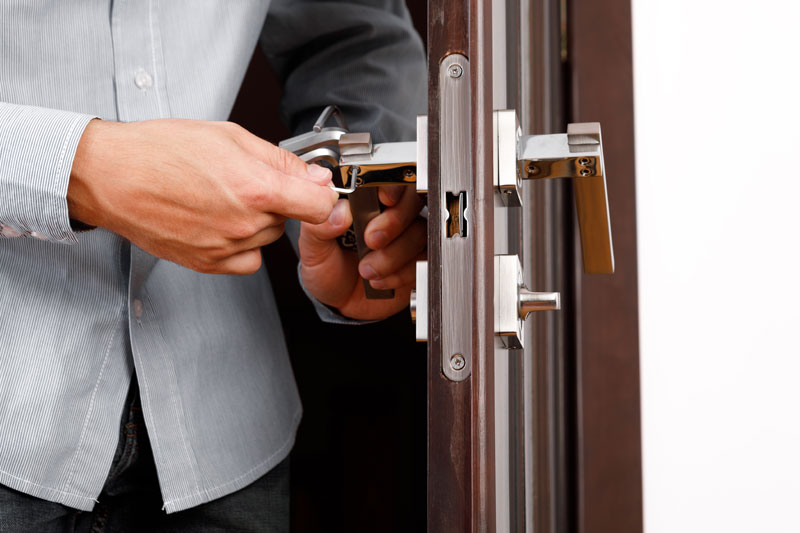
Should You Change the Locks When Moving Into a New Home in Dubai?
Moving into a new home comes with a long checklist. There are utilities to arrange, boxes to unpack, furniture to move, and building access to organize. But there is another important question that is easy to overlook: should you change the locks when moving into a new home?
When you take possession of a property, you may receive all the keys currently available, but that does not necessarily tell you how many copies were made in the past. Previous occupants, family members, contractors, cleaners or other authorized people may once have had access.
That does not mean every lock must be replaced automatically. Depending on the existing hardware and its condition, you may be able to rekey the lock, change only the cylinder, or keep some locks while replacing others.
The important thing is to review both physical and digital access so that you know who can enter your new home.
This guide explains what to check when moving into a new home in Dubai and how to decide whether you need a lock change, rekey, repair or security upgrade.
Should You Change the Locks After Moving?
Changing the locks after moving is worth considering when you cannot be certain who still has working keys.
Even when the previous owner, tenant, or property representative gives you several sets of keys, there may be no simple way to determine whether additional copies were made.
Changing or rekeying the appropriate locks allows you to establish a new set of authorized keys.
However, replacing every piece of lock hardware may be unnecessary.
The appropriate solution depends on:
- Who previously had access
- Condition of the existing locks
- Type of cylinders and locking mechanisms
- Whether the locks can be rekeyed
- Security level you require
- Whether the property uses mechanical or electronic access
- Whether you own or rent the property
A locksmith can inspect the existing hardware and determine whether a door lock change in Dubai, a cylinder change, a rekey, or a repair is the more appropriate option.
Why Previous Keys Matter
The issue is not necessarily that the previous occupant still has a key.
The bigger question is whether you can account for every copy made during the lifetime of the existing lock.
Additional keys may previously have been provided to authorized people such as contractors, household staff, relatives or property representatives.
Some may have been returned. Others may have been lost or forgotten.
Once you change the key combination through an appropriate cylinder change or rekey, the previous mechanical keys will no longer operate that lock.
This gives you better control over physical access to the property.
Change the Lock, Change the Cylinder or Rekey It?
These terms are often treated as though they mean the same thing, but they describe different solutions.
Rekeying
Rekeying modifies a compatible lock so that it operates with a different key while retaining the existing lock hardware.
Not every locking system is suitable for rekeying, so the lock must first be identified.
Cylinder Change
On many doors, the cylinder is the component that accepts the key.
If the rest of the locking mechanism is in good condition, replacing the cylinder may allow you to establish new keys without replacing the entire lock.
Complete Lock Replacement
A complete replacement may be appropriate when the existing hardware is:
- Damaged
- Heavily worn
- Unreliable
- Unsuitable for the door
- No longer meeting your access requirements
- Being replaced as part of a security upgrade
The correct decision should be based on the existing door and locking system rather than assuming that every move requires complete replacement.
Which Locks Should You Check When Moving In?
The front door is important, but it should not be the only part of your new home that you inspect.
Walk through the property and identify every practical access point.
Main Entrance Door
Start with the primary entrance.
Check that:
- The key operates smoothly
- The lock engages correctly
- The handle is secure
- The door closes properly
- The latch and locking points align with the frame
- There is no obvious damage around the lock
If you do not want the existing keys to continue working, determine whether the cylinder can be changed or the lock rekeyed.
Secondary Entrance Doors
Villas and larger properties may have side, rear, kitchen or service entrances.
These doors can easily be overlooked because they are used less frequently than the main entrance.
Check every external entrance and identify which key operates it.
Balcony and Patio Doors
Check balcony and patio doors that can potentially provide access to the property.
Make sure the doors close correctly and their locking mechanisms engage as intended.
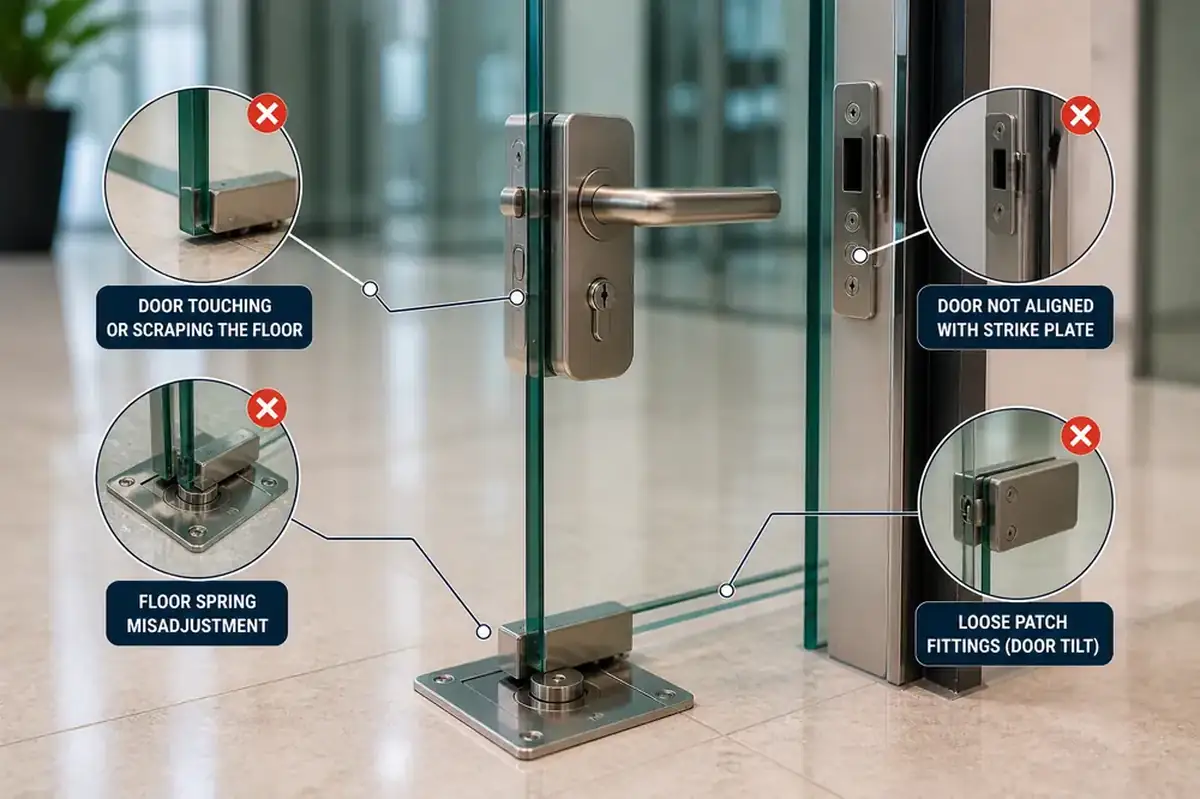
A lock problem is not always caused by the lock itself. Door alignment can also affect how easily a latch or locking mechanism engages.
Garage Access
If the property has a garage, review both physical and electronic access.
This can include:
- Garage remotes
- Physical garage keys
- Keypads
- Internal doors between the garage and property
- Smart-access controls
If old garage remotes remain registered with the system, changing only the house keys does not necessarily address every access method.
Storage Areas
Check storage rooms, external cupboards and other separately secured spaces.
Determine whether you received the relevant keys and whether those locks should remain on the existing key system.
Accessible Windows
Inspect accessible windows to ensure they close and lock properly.
A home security review should consider the complete property rather than focusing exclusively on the front-door cylinder.
Don't Forget Digital Access
Changing physical keys is only part of securing many modern homes.
A property may also use:
- Smart locks
- PIN codes
- Fingerprint access
- Mobile applications
- Access cards
- Key fobs
- Garage remotes
- Building access systems
If you move into a property with an existing smart lock, determine who has administrative control of the device and which users are registered.
Depending on the system, you may need to review or remove:
- Previous PIN codes
- Fingerprints
- Mobile-app users
- Temporary access codes
- Administrator accounts
Follow the manufacturer's procedure for resetting or transferring ownership of the device.
If the existing hardware is unsuitable or you want to upgrade from mechanical keys to electronic access, installing a smart lock in Dubai may be another option.
What If You're Moving Into a Rental Property?
Tenants should take a slightly different approach.
Before modifying installed lock hardware, review your tenancy agreement and any applicable building or property-management requirements.
If you are concerned about who may have copies of the existing keys, discuss the issue with the landlord or property manager and determine what changes are appropriate.
Where changes are permitted, a cylinder change or compatible rekey may sometimes provide new keys without requiring the entire locking system to be replaced.
The important point is to understand both your security requirements and any applicable property requirements before altering installed hardware.
Check the Condition of Existing Locks
Moving into a property is also a useful opportunity to inspect the physical condition of its locks.
Look for signs such as:
- Key difficult to insert
- Key difficult to turn
- Loose handles
- Loose cylinders
- Lock sticking
- Door requiring force to close
- Latch not lining up with the strike plate
- Lock working inconsistently
- Visible damage around the hardware
Do not automatically assume that every symptom means the lock needs replacement.
A door that has moved slightly out of alignment can make a functional lock difficult to operate.
In other situations, internal components may be worn or damaged.
An inspection can help distinguish between an alignment problem, a repairable lock, and hardware that should be replaced.
When Is Door Lock Repair Enough?
If you are comfortable continuing to use the existing keys and the issue is mechanical rather than access-related, door lock repair may be enough.
For example, a problem may involve:
- Loose hardware
- Latch alignment
- Strike plate position
- Handle mechanism
- Lock mechanism
- Door alignment
Repairing the existing system may be more appropriate than unnecessarily replacing good hardware.
However, repair does not normally solve the access-control question if your main concern is that unknown copies of the existing key may still exist.
In that situation, changing the key combination through an appropriate cylinder change or rekey may be necessary.
When Should You Consider Upgrading the Lock?
Moving into a new property can also be a convenient time to review whether the existing locks suit your requirements.
An upgrade may be worth considering if:
- Existing hardware is heavily worn
- Locks are damaged
- The lock is unsuitable for the door
- You want a different level of key control
- You want to consolidate compatible locks
- You want electronic or smart access
- The existing system no longer suits how the property will be used
Do not choose a lock based only on price or appearance.
Door material, thickness, existing cut-outs, mortise dimensions, backset, opening direction, and other compatibility factors can affect which hardware can be installed properly.
Make Spare Keys After Securing Access
Once you have decided which locks will remain and which will be changed, you can determine how many spare keys you actually need.
You may want additional keys for authorized household members or for secure storage as backups.
Using a key duplication service in Dubai after the access setup has been finalized avoids unnecessary copies of keys that are about to be replaced.
For controlled or restricted key systems, duplication requirements may differ from those for standard residential keys.
Should You Use the Same Key for Multiple Doors?
Some homeowners prefer having compatible locks arranged so that one key can operate multiple selected doors.
This can reduce the number of keys you need to carry.
However, this should be planned properly.
Using a single key for multiple entrances means that anyone who receives that key potentially gains access to all of those entrances.
For larger properties, it may be better to separate access according to how different doors and areas are used.
The appropriate setup depends on the property and the people who require access.
New Home Security Checklist
When moving into a new home in Dubai, use this checklist to review physical and electronic access:
- Identify every external entrance.
- Confirm which keys you received.
- Test every door lock.
- Decide whether existing keys should continue to work.
- Consider rekeying or changing appropriate cylinders.
- Inspect secondary and service entrances.
- Check balcony and patio-door locks.
- Inspect accessible window locks.
- Review garage keys and remotes.
- Check storage-room access.
- Review smart-lock users and PIN codes.
- Remove old digital users where appropriate.
- Review access cards and key fobs.
- Check for damaged or poorly aligned locks.
- Repair faulty hardware where replacement is unnecessary.
- Make the spare keys you actually require.
- Store spare keys securely.
You do not necessarily need to replace everything on this list. The purpose is to understand how each part of the property can be accessed and decide whether any changes are necessary.
Check Your Home Insurance Requirements
If you have home or contents insurance, review your policy for any requirements related to locks, security systems, or property access.
Requirements can vary between insurers and policies.
Do not assume that a particular lock automatically satisfies your insurer's requirements. If the wording of your policy is unclear, contact your insurer and ask what security conditions apply to your property.
What About Access Cards and Building Entry?
Apartment security extends beyond the lock on your front door.
Depending on the building, you may also receive:
- Building access cards
- Parking cards
- Key fobs
- Lift-access credentials
- Gate remotes
- Parking remotes
Ask the appropriate building or property management contact how existing credentials are managed when occupancy changes.
Changing your apartment cylinder does not automatically deactivate an old building access card or parking credential.
Physical keys and electronic building access should therefore be considered separately.
Frequently Asked Questions About Changing Locks After Moving
Should You Change the Locks When Moving Into a New Home?
It is worth considering when you cannot be certain who may have copies of the existing keys.
You do not necessarily need to replace the complete lock. Depending on the hardware, rekeying or changing the cylinder may be sufficient.
Should I Change Locks After Buying a House?
Review the existing keys, locks, and other access methods when taking possession.
If you want previous mechanical keys to stop operating the entrances, determine whether the appropriate locks can be rekeyed, have their cylinders changed, or need to be replaced.
Should I Change the Locks When Moving Into a New Apartment?
The same access considerations apply to apartments.
If you are an owner, review the entrance lock and other access credentials. If you are a tenant, check the tenancy and building requirements before changing installed hardware.
Is Rekeying Better Than Replacing a Lock?
Neither option is automatically better.
Rekeying can be appropriate when compatible hardware is in good condition, and you only need to change which key operates it.
Replacement may be more appropriate when the existing hardware is damaged, worn, incompatible with your requirements or being upgraded.
Do I Need to Change Every Lock?
Not necessarily.
Identify which entrances are relevant, assess the condition of each lock, and decide where changing access is actually necessary.
Should I Change a Lock If I Have All the Keys?
Having all the keys handed to you does not necessarily establish whether additional copies were made previously.
Whether you change the lock depends on your circumstances and how much control you want over previous key access.
What If My New Home Already Has a Smart Lock?
Review the device's users, administrator access, PIN codes, fingerprints, and connected accounts according to the manufacturer's instructions.
If ownership or administrator access cannot be established correctly, contact the manufacturer or an appropriate smart-lock specialist.
Can I Keep the Existing Lock and Just Change the Key?
Sometimes.
Depending on the locking system, it may be possible to rekey the existing lock or replace only the cylinder so that the previous keys no longer operate it.
Should Tenants Change the Locks After Moving?
Tenants should first review their tenancy agreement and any applicable building or property-management requirements before altering installed lock hardware.
When Should I Make Spare Keys?
It generally makes sense to finalize your access setup first.
Once you know which cylinders and locks will remain in use, make the number of spare keys required for authorized users.
Secure Your New Home Before You Settle In
Moving into a new home is a good opportunity to take control of who can access the property.
Start by identifying every entrance and every form of access-not only the front-door key. Check external doors, garage remotes, access cards, smart locks, PIN codes, and any other credentials associated with the property.
Then decide what actually needs to change.
Some properties may only need selected cylinders changed or compatible locks rekeyed. Others may have worn hardware that needs repair or replacement. And if the existing access system already meets your requirements, unnecessary replacement can be avoided.
If you're unsure, have the doors and locks assessed before deciding on the work.
The goal isn't simply to change locks when moving into a new home. It is to understand the property's existing access and establish a system that gives the new occupants appropriate control over their home.


.png)