
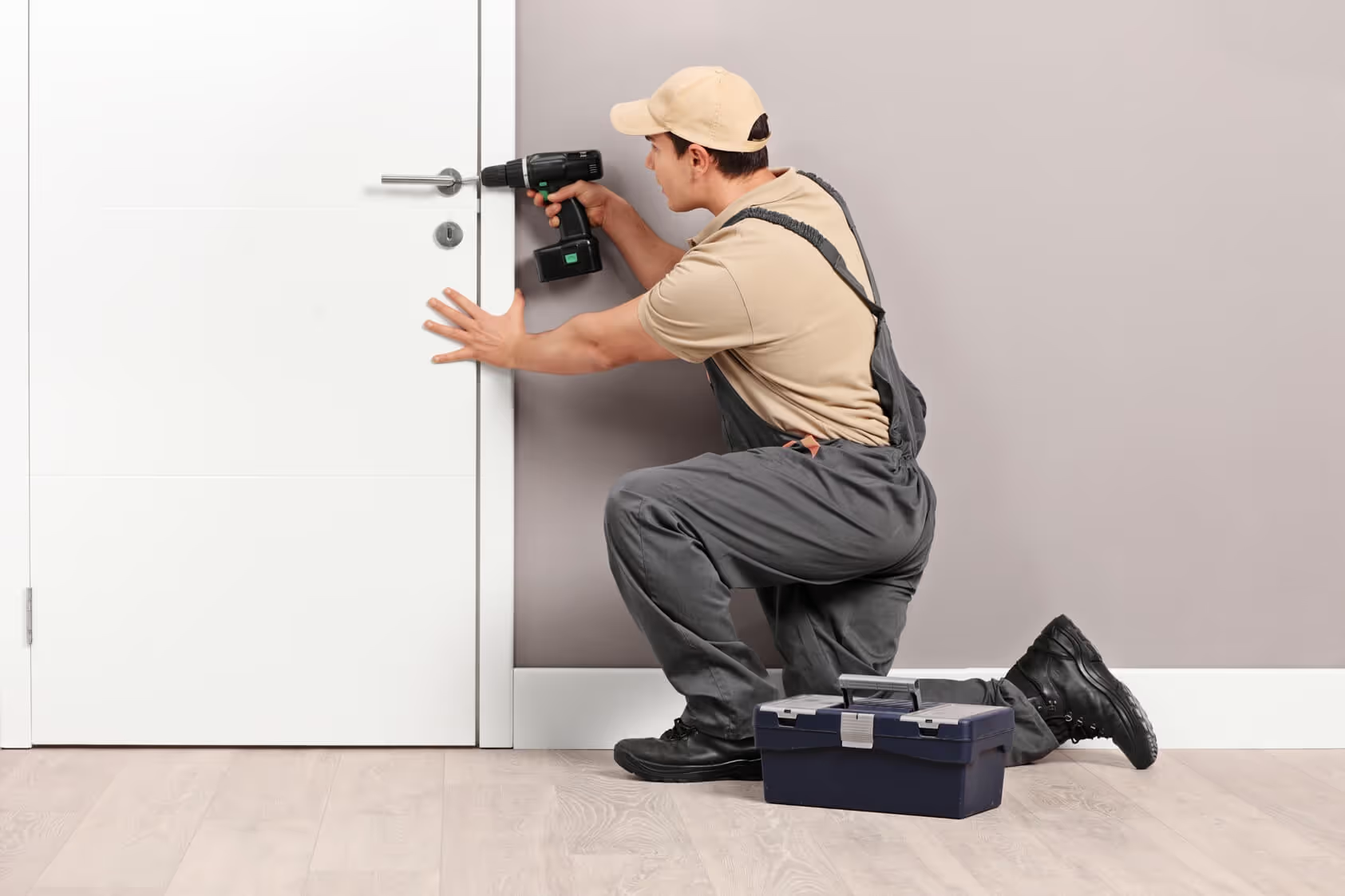
How to Start a Locksmith Business in Dubai: Training, Licensing & Requirements
How to Start a Locksmith Business in Dubai: Training, Licensing & Requirements
Starting a professional locksmith business in Dubai involves much more than learning how to cut keys or open locks. Customers looking for a reliable locksmith in Dubai expect technical expertise, professional equipment, and responsible security practices. Anyone entering the industry must also understand the applicable licensing requirements and develop the practical experience needed to work safely with modern mechanical and electronic locking systems.
The locksmith industry has changed significantly in recent years. Traditional locks and mechanical keys remain important, but locksmiths increasingly work with smart locks, keyless entry systems, electronic access control and sophisticated automotive keys. Anyone planning to enter the profession should therefore develop both traditional locksmithing skills and an understanding of newer security technologies.
This guide explains the training, licensing, equipment and practical considerations involved in establishing a professional locksmith business in Dubai.
Understand the Locksmith Industry in Dubai
Locksmith and security-related businesses in Dubai operate within an established commercial licensing environment. A company must hold the appropriate trade license for the activities it intends to perform and comply with the requirements of the relevant Dubai authorities.
It is also important to distinguish conventional locksmith work from regulated security activities. Depending on the exact nature of the services provided, activities involving electronic security systems, access control or other security equipment may be subject to additional requirements or approvals from relevant authorities, including the Security Industry Regulatory Agency (SIRA) where applicable.
Before establishing a company, business owners should confirm which activities are covered by their trade license and whether additional approvals are required.
A business license alone, however, does not make someone an experienced locksmith. Locksmithing is a technical and security-sensitive profession. Proper training, specialist tools, and practical field experience are essential for providing a safe and reliable service.
Get Professional Locksmith Training
Professional training provides an important foundation for anyone entering the locksmith industry.
Courses vary considerably in duration, specialization, and the amount of practical instruction they provide. A technician primarily interested in residential locksmithing may require a different training path from someone planning to specialize in automotive keys, safes, smart locks, or electronic security systems.
Before enrolling, review the course curriculum carefully and determine how much hands-on training is included.
What Should Locksmith Training Cover?
A good locksmith training course should give you plenty of hands-on experience, not just classroom knowledge. By the end of the basic training, you should understand how common locks work, how to identify problems, and which tools and techniques to use for different jobs.
Some of the practical skills you should expect to learn include:
- Installing and replacing common types of door locks
- Finding faults in locks and repairing them where possible
- Identifying different keys and learning how to cut them correctly
- Rekeying cylinders and working with pin tumbler locks
- Understanding mortise locks, rim locks, and other commonly used locking systems
- Removing broken or damaged keys from locks
- Learning safe, non-destructive methods of gaining entry when appropriate
- Using everyday locksmith tools correctly and safely
- Checking customer identification or proof of authorization before carrying out security-sensitive work
The course should also teach you how to approach a real job. Knowing how a lock works is important, but being able to inspect the problem, choose the right solution, and complete the work without causing unnecessary damage is what develops with proper training and field experience.
How Long Does Locksmith Training Take?
There is no fixed training period that automatically qualifies someone as a professional locksmith.
Short courses can provide an introduction to common locks, tools and techniques, but practical competence develops through continued experience. Locksmiths frequently encounter unfamiliar lock designs, damaged mechanisms, unusual installations and security systems that cannot all be covered during an introductory course.
Rather than choosing a course purely by its duration, consider the quality of instruction, practical exercises, subjects covered and opportunities for further training.
Even experienced locksmiths continue learning because locking and security technologies constantly evolve.
Decide Which Locksmith Services to Provide
Before investing in tools and equipment, determine exactly which services your business will offer.
Residential locksmithing commonly involves door locks, cylinders, lockouts, lock repairs, and hardware replacement. Commercial locksmithing can include more complex door hardware, master-key requirements, and other security solutions.
Automotive locksmithing requires a different set of skills from general lock-and-key work. Depending on the vehicle, a locksmith may need to work with mechanical keys, transponder keys, remote keys, smart keys and vehicle immobilizer systems. The tools and procedures also vary between vehicle makes and models.
For this reason, anyone planning to offer automotive locksmith services should have proper training and use equipment that is suitable for the vehicles they work on.
Safe opening is another specialist discipline that should not be considered part of basic locksmith training.
Defining your services early helps determine the training, equipment, inventory, licensing and staffing your business will require.
Understand Licensing and Regulatory Requirements
Licensing should be considered before launching a locksmith business rather than after purchasing equipment or renting premises.
The company’s trade license should accurately reflect the commercial activities being performed. Depending on the type of security work undertaken, additional approvals may also be required.
This is particularly relevant when a business expands from conventional locks and keys into electronic access control or other regulated security activities.
Before starting your locksmith business, make sure your trade license covers the services you intend to provide. If you later add new services, check whether your existing license or approvals need to be updated.
Choose the Right Location for Your Locksmith Shop
You don't need a large or expensive shop to start a locksmith business, but the location should be practical. If you expect walk-in customers for key cutting, choose a location that's easy to find, with convenient access and parking.
Make sure there is enough workspace for your key-cutting machines and secure storage for locks, key blanks, tools and other stock. If you also provide mobile locksmith services, consider how easily your technicians and vans can reach different areas of Dubai.
At DEX Key Maker, we believe a practical, accessible and well-organized shop is far more valuable than an impressive location with high operating costs.
Purchase Professional Locksmith Equipment
The equipment required depends on the services you intend to provide.
A general locksmith may require professional hand tools, key-cutting machines, installation equipment, measuring tools, lock-servicing equipment, and commonly used replacement parts.
An automotive locksmith may additionally require:
- Automotive key-cutting machines
- Key programming equipment
- Diagnostic devices
- Transponder tools
- Remote and smart-key testing equipment
- Vehicle-specific tools
- Key blanks, remotes and chips
Technicians working with smart locks and electronic security systems may need a different range of installation, testing, and diagnostic equipment.
Professional locksmith equipment can be expensive, so choose your tools carefully. Buy from reliable suppliers and, for electronic or automotive equipment, check compatibility, technical support, and software requirements before making a purchase.
Set Up a Mobile Locksmith Vehicle
Mobile service is an important part of the locksmith industry because many customers need assistance directly at their homes, businesses, or vehicles.
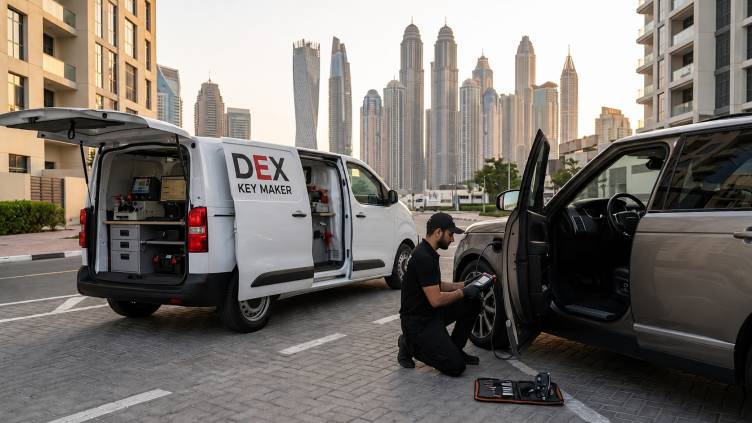
A properly equipped van can function as a mobile workshop. Depending on the services provided, it may carry locksmith tools, key-cutting machines, commonly used locks, cylinders, key blanks, and other replacement parts.
Equipment should be securely stored and organized so technicians can quickly locate what they need while protecting valuable tools and security-sensitive materials.
Clear company branding and contact information on the vehicle can also help customers identify the technician arriving at their location.
Establish Customer Verification Procedures
Responsible locksmithing requires proper customer verification.
Before unlocking a property or vehicle, duplicating certain keys or performing other security-sensitive work, a locksmith should take reasonable steps to confirm that the customer is authorized to request the service.
Depending on the job, verification may involve identification, vehicle registration, tenancy documentation, proof of ownership or authorization from the responsible person.
These procedures help protect the property owner, the customer, the technician, and the locksmith company.
Calculate Your Startup Costs
Before spending money, decide what kind of locksmith business you actually want to run. The cost of setting up a small key-cutting shop is very different from that of building a mobile team that handles home lockouts, car keys, smart locks, and emergency jobs across Dubai.
Start with the things you genuinely need from day one. This could include your trade license and approvals, a suitable shop or workshop, key-cutting machines, everyday locksmith tools, and enough stock to handle the jobs you expect to receive. If you plan to offer mobile services, you will also need a reliable vehicle with secure storage for tools, locks, key blanks and other equipment.
Automotive locksmithing can push the investment much higher. Key programmers, diagnostic devices, automotive key-cutting machines, remotes and transponder stock can quickly become a major expense. The same applies when you move into smart locks and more advanced electronic security products.
There are also less obvious costs that are easy to underestimate: staff salaries, vehicle expenses, insurance, software, advertising, and maintaining enough stock so that technicians are not constantly returning to the shop for parts.
At DEX Key Maker, we would suggest building your setup around the work you can realistically handle rather than buying every machine and tool available. Invest first in reliable equipment that you will use regularly. As your customer base grows and you start receiving more specialized jobs, you can add new tools, machines, and inventory when there is a genuine business need.
Create a Sustainable Pricing Structure
Pricing should reflect the actual cost of providing each service.
Consider technician time, transportation, equipment investment, replacement parts, rent, licensing costs, employee expenses, and other business overheads.
The technical difficulty of the work should also be considered. A straightforward cylinder replacement is very different from diagnosing an automotive immobilizer problem or working with an advanced electronic locking system.
Researching the Dubai market can provide useful pricing benchmarks, but copying competitors’ prices without understanding your own operating costs can result in an unsustainable business model.
Clear pricing policies also help customers understand what they are paying for and reduce potential misunderstandings.
Build a Professional Reputation
Trust is particularly important in locksmithing because technicians may be given access to homes, offices, vehicles and security systems.
Professionalism should therefore be visible throughout the customer experience.
Technicians should communicate clearly, confirm the customer’s authorization where required, and explain the work before getting started. Customers appreciate knowing what the problem is, what needs to be done, and what they can expect.
Good workmanship and fair, straightforward service help build trust. For a locksmith business, that trust can bring repeat customers, recommendations, and genuine reviews, making a good reputation one of the most valuable parts of the business.
Continue Learning as Security Technology Changes
Modern locksmithing extends far beyond mechanical locks and conventional keys.
The industry now includes smart locks, electronic cylinders, biometric locks, keyless entry, access control, vehicle immobilizers, transponder keys, and proximity systems.
Modern car keys involve more than simply cutting a key blade. Depending on the vehicle, a locksmith may also need to work with transponder keys, remote keys, smart keys, and immobilizer systems. This makes proper automotive locksmith training and suitable equipment increasingly important.
Continuing education through specialist courses, manufacturer training and practical experience can help locksmiths keep their skills relevant as technology develops.
Frequently Asked Questions
Do I need a license to start a locksmith business in Dubai?
Yes. To operate a locksmith business in Dubai, you need a valid trade license covering the activities your company provides. Some security-related services may also require additional approvals from the relevant authorities.
Before starting the business or adding new services, check the current requirements with the relevant Dubai authorities to make sure your license and approvals cover the work you intend to provide.
Do I need training to become a locksmith?
Professional training provides the basic knowledge and practical skills needed to work with locks effectively. However, training alone is not enough. Much of locksmithing is learned through hands-on experience and dealing with different types of locks and situations in the field. Specialist areas, such as automotive locksmithing, require further training and the right equipment.
How Long Does It Take to Become an Experienced Locksmith?
There is no fixed timeframe. A training course can teach you the basics, but real experience comes from working on different locks and dealing with problems in the field. It can take years of regular, hands-on work to become confident in different areas of locksmithing.
What equipment does a locksmith business need?
It depends on the services offered. A general locksmith may need key-cutting machines, hand tools and lock-servicing equipment. Automotive locksmiths may also require diagnostic equipment, programming devices, and specialized key-cutting machines.
Is Automotive Locksmithing Different from General Locksmithing?
Yes. Automotive locksmithing focuses specifically on vehicle locks and keys. Depending on the vehicle, the work may involve cutting mechanical keys, working with transponder or smart keys, and programming compatible keys or remotes. These jobs require automotive-specific knowledge, tools, and equipment.
Are smart locks changing the locksmith industry?
Yes. Smart locks, electronic access, and keyless systems are becoming increasingly common. Locksmiths who understand both mechanical and electronic security technologies are better prepared to work with modern residential and commercial security requirements.
Conclusion
There is a big difference between knowing how to open a lock and knowing how to run a professional locksmith business in Dubai. You will deal with different locks, unusual problems, new car key systems, and customers who trust you with access to their homes, businesses, and vehicles. That responsibility is something you learn to handle through proper training and, more importantly, real experience in the field.
If you are serious about entering this business, start by learning the trade properly. Get comfortable with the everyday jobs first, invest in good tools, and keep improving your skills as you encounter more complex work. Make sure your business is correctly licensed for the services you provide and don't rush into areas you don't yet have the experience or equipment to handle.
At DEX Key Maker, we have seen locksmithing change considerably over the years. Mechanical locks and traditional keys are still part of our daily work, but smart locks, electronic access systems, and modern car keys have made the trade much more technical. A good locksmith never really stops learning-and that is probably one of the most important things to understand before making this your business.


.png)