
How to Protect Your Car During Heavy Rain in Dubai
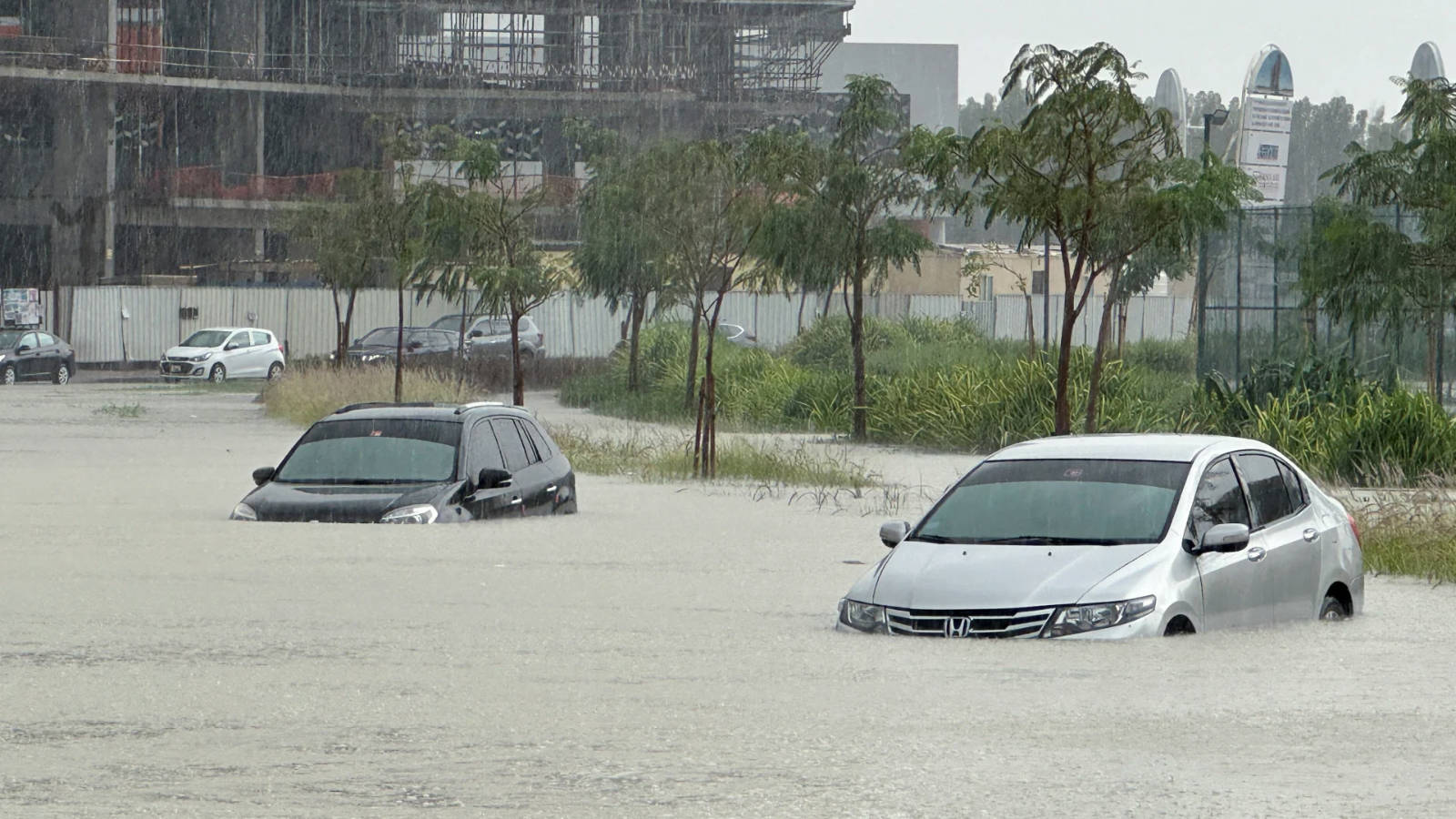
Heavy rain in Dubai is rare, but when it happens, it often creates more vehicle problems than people expect. Flooded roads, overwhelmed drainage systems, and sudden water accumulation can affect modern cars in ways that are not always visible immediately.
Many drivers only react after the car stops starting, warning lights appear, or electronics fail. By then, damage may already be done. Protecting your car during heavy rain in Dubai requires understanding where water causes damage and taking the right steps before, during, and after rainfall.
This guide explains how to minimize risk and avoid costly repairs when Dubai experiences heavy rain.
Why Heavy Rain Is Risky for Cars in Dubai
Dubai’s infrastructure and driving habits are built for dry weather. Long periods without rain mean:
- Drainage systems are rarely tested
- Roads flood quickly when rain is heavy
- Standing water appears suddenly in underpasses and ramps
- Drivers are often forced to pass through water without warning
Modern cars rely heavily on electronic systems. While engines are relatively well protected, electronics and security systems are not designed for water exposure. This is why rain-related problems in Dubai often involve immobilizers, sensors, and control modules rather than mechanical failure.
Where Rainwater Actually Causes Damage
Most rain-related car damage in Dubai does not come from rain falling on the car. It comes from driving through standing water.
Water can enter the vehicle through:
- Underbody wiring channels
- Wheel arches and splash zones
- Blocked AC drainage outlets
- Door seals and wiring looms
- Firewall openings near pedals
- Steering column seals
Once water reaches these areas, it can affect:
- Immobilizer and ECU communication
- Body Control Module (BCM)
- ABS and traction sensors
- Ground points and connectors
- Interior wiring under carpets
The effects may appear immediately or several hours later.
How to Protect Your Car Before Heavy Rain
1. Avoid Known Flood-Prone Areas
Every area in Dubai has spots that flood during rain, underpasses, service roads, basement ramps, and construction zones. Avoid these areas whenever possible during heavy rain alerts.
2. Check Underbody Protection
Loose or damaged underbody covers allow water to reach sensitive wiring. If your car’s underbody shield is hanging or missing, rainwater can easily reach electrical connectors.
3. Make Sure AC Drainage Is Clear
Blocked AC drains are one of the most common causes of interior water accumulation. When drainage is blocked, water can overflow into footwells and under-dashboard areas where electronics are located.
4. Inspect Door and Window Seals
Worn or damaged door seals allow water to enter door panels and wiring harnesses. This moisture can later travel into the cabin and affect electronics.
5. Avoid Parking in Low-Lying Areas
Basement parking entrances, slopes, and open ground-level parking areas can flood quickly. If heavy rain is expected, park on higher ground whenever possible.
How to Drive Safely During Heavy Rain
Do Not Drive Through Standing Water
If you cannot clearly see the road surface, do not enter the water. Even shallow water can hide dips that allow water to surge into the underbody.
Maintain Distance From Large Vehicles
Buses and trucks create waves that push water higher into wheel arches and underbody areas, increasing the risk of water entry.
Drive Slowly and Steadily
Sudden acceleration forces water into places it normally wouldn’t reach. A steady, slow pace reduces splash impact.
Avoid Sudden Stops
Sudden braking in water can force water into brakes, sensors, and wheel hubs.
What to Do Immediately After Driving in Rain
Check the Interior
After rain, check:
- Front and rear footwells
- Under floor mats
- Under-dashboard areas
Even slight dampness is a warning sign.
Let the Car Dry Naturally
Park in a dry, ventilated area and allow moisture to evaporate naturally. Avoid forcing heat into electronic areas.
Watch for Warning Signs
Pay attention to:
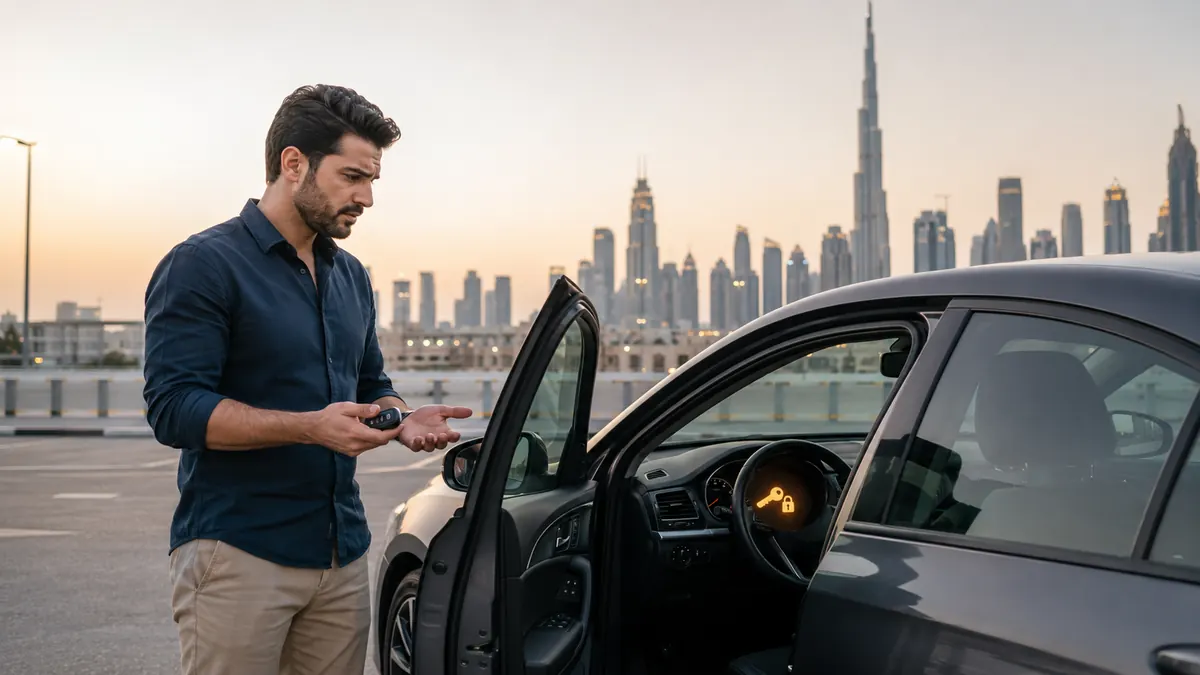
- Key or security symbols
- Engine warning lights
- Delayed starting
- Unusual electrical behavior
Do not ignore temporary warnings, they often return later.
Why Modern Cars Are More Vulnerable to Rain Damage
Older vehicles relied more on mechanical systems. Modern cars depend on:
- Low-voltage electronics
- Encrypted immobilizer systems
- Multiple control modules communicating constantly
These systems are:
- Extremely sensitive to moisture
- Designed for controlled environments
- Vulnerable when exposed to water intrusion
That is why rain-related failures in Dubai often involve no-start issues, immobilizer lockouts, and electronic faults, not engine damage.
Common Mistakes That Make Rain Damage Worse
Many drivers unintentionally worsen rain-related damage by:
- Repeatedly trying to start the car
- Disconnecting the battery multiple times
- Ignoring wet carpets
- Assuming the key is faulty and replacing it
- Delaying inspection because the car “seems fine”
Moisture damage spreads silently. What seems minor today can become major later.
When to Get Professional Help
You should seek professional inspection if:
- The car shows a key or security symbol
- The engine does not start after rain
- Electrical behavior feels unusual
- Interior moisture is present
- Warning lights appear, even briefly
Professionals focus on identifying water entry points, not just clearing fault codes.
Final Advice
Heavy rain in Dubai may be unpredictable, but the damage it causes to vehicles is often preventable with the right awareness and early action. Protecting your car isn’t about reacting after a failure; it’s about reducing exposure, driving cautiously, and paying attention to early warning signs.
This guide was created by DEX Key Maker to help Dubai drivers stay calm, avoid panic, and make informed decisions rather than rush into costly mistakes. Rain-related vehicle issues often start quietly, but when addressed early, they can be avoided before becoming major repairs.
And if the situation becomes urgent, whether you’re locked out of your car, facing a key-related issue, or dealing with a no-start problem after rain, DEX is available 24/7 for emergency car unlocking and car key services across Dubai. Day or night, during or after heavy rain, our team is ready to help when you need it most.
Frequently Asked Questions
Q: Can heavy rain damage my car in Dubai?
A: Yes. Heavy rain and flooded roads in Dubai can allow water to enter underbody wiring, electronics, and immobilizer systems, causing starting and electrical issues.
Q: Is it safe to drive through standing water during rain?
A: No. Even shallow standing water can reach sensitive electronic components under the car and cause hidden damage.
Q: What are the first signs of rain-related car damage?
A: Warning lights, delayed starting, key or security symbols, unusual electrical behavior, and damp carpets are common early signs.
Q: Why do modern cars fail more often after rain?
A: Modern cars rely heavily on electronic systems and immobilizers, which are sensitive to moisture and water intrusion.
Q: When should I get my car checked after heavy rain?
A: If your car was driven through water, shows warning lights, or has interior moisture, inspection should not be delayed.

.png)