
How Locksmiths Can Ease the Frustration When You Lock Yourself Out
Getting locked out rarely happens at a convenient time. You may be leaving for work, returning home late, standing outside your office, or simply trying to get through your front door when you realize the keys are missing, sitting inside, or no longer working.
The frustration often gets worse when you don't know what has happened. Is the key the problem? Has the lock failed? Will the door need to be damaged? Will you need a new lock?
This is where a professional Dubai locksmith can make the situation easier. Instead of forcing the door or guessing what has gone wrong, a locksmith can assess the lockout, identify the likely cause, and determine an appropriate way to restore authorized access.
Depending on the situation, the solution may involve opening the existing lock, extracting a broken key, repairing a faulty lock, preparing a compatible replacement key, rekeying the lock or replacing damaged hardware.
Here are some of the ways a locksmith can take much of the frustration out of being locked out.
1. A Locksmith Can Identify Why You're Locked Out
When a door doesn't open, it's easy to assume that the lock is broken.
That isn't always the case.
The problem could be:
- Keys left inside
- Lost keys
- A damaged or worn key
- A broken key inside the cylinder
- A jammed lock
- A faulty cylinder
- A problem with the latch or locking mechanism
- Door and frame misalignment
Identifying the actual cause matters because different problems require different solutions.
For example, replacing a cylinder won't necessarily solve a door-alignment problem. Similarly, repairing a lock doesn't address the security concern created by a genuinely lost key.
A locksmith can inspect the situation first and determine what is actually preventing the door from opening.
2. A Locksmith Can Help When Your Keys Are Inside
One of the simplest ways to get locked out is also one of the most frustrating: the key is sitting safely inside the property while you're standing outside.
In this situation, you don't necessarily need a new lock or key.
A locksmith can assess the existing lock and determine an appropriate method of regaining access. Depending on the lock's type and condition, non-destructive entry may be possible.
This is considerably better than immediately attempting to force the door yourself.
Trying unsuitable tools or applying excessive force can turn a straightforward lockout into damage to the cylinder, handle, lock, or door.
3. A Locksmith Can Help When Your Keys Are Lost
A lost key creates a slightly different problem.
You need to get back inside, but you may also need to think about what happens after the door is opened.
A locksmith can first help restore access. After that, the condition and type of lock can be assessed to determine what should happen next.
If the missing key could be associated with your property or used by someone else, you may want to consider rekeying or replacing the affected lock.
That doesn't mean every lost key automatically requires a completely new lock.
Depending on the locking system, rekeying may be possible so that the missing key no longer operates the lock.
The important point is that a locksmith can help address both problems:
getting you back inside and deciding what to do about the missing key afterward.
4. A Locksmith Can Extract a Broken Key
Few lockout situations are more frustrating than having the key in your hand one moment and half of it stuck inside the lock the next.
Keys can become worn, bent, or damaged over time. If a weakened key breaks while being turned, part of it may remain inside the cylinder.
Trying to remove the broken piece yourself with unsuitable objects can potentially push it farther into the lock or damage internal components.
A locksmith can inspect the cylinder and determine whether the broken piece can be extracted.
Once it has been removed, the lock should also be checked. The key may simply have been damaged, but resistance from the lock or another mechanical problem may have contributed to the breakage.
For compatible key types, a replacement key may also be prepared after the key and lock requirements have been identified.
5. A Locksmith Can Determine Whether the Lock Needs Repair
Sometimes you're locked out even though you still have the correct key.
You insert it, but something isn't right.
Perhaps the key won't turn. Maybe it turns partially and stops. The handle may move without releasing the door, or the locking mechanism may feel different from normal.
In these situations, the problem may be with the lock rather than the key.
A locksmith can inspect the relevant components and determine whether the existing lock can reasonably be repaired.
If repair is practical, replacing the entire lock may not be necessary.
This is another reason why diagnosis should come before replacement.
6. A Locksmith Can Tell When Lock Replacement Is the Better Option
Not every lock can or should be repaired.
If the lock is badly damaged, excessively worn, or has suffered an internal failure, replacement may be more practical.
A locksmith can assess the existing hardware and explain whether repair or lock replacement is the more appropriate option.
Replacement may also be worth considering when lost keys create a security concern or when the existing hardware no longer meets the property's requirements.
The important distinction is that being locked out doesn't automatically mean you need a new lock.
The decision should come after the cause and condition of the existing lock have been assessed.
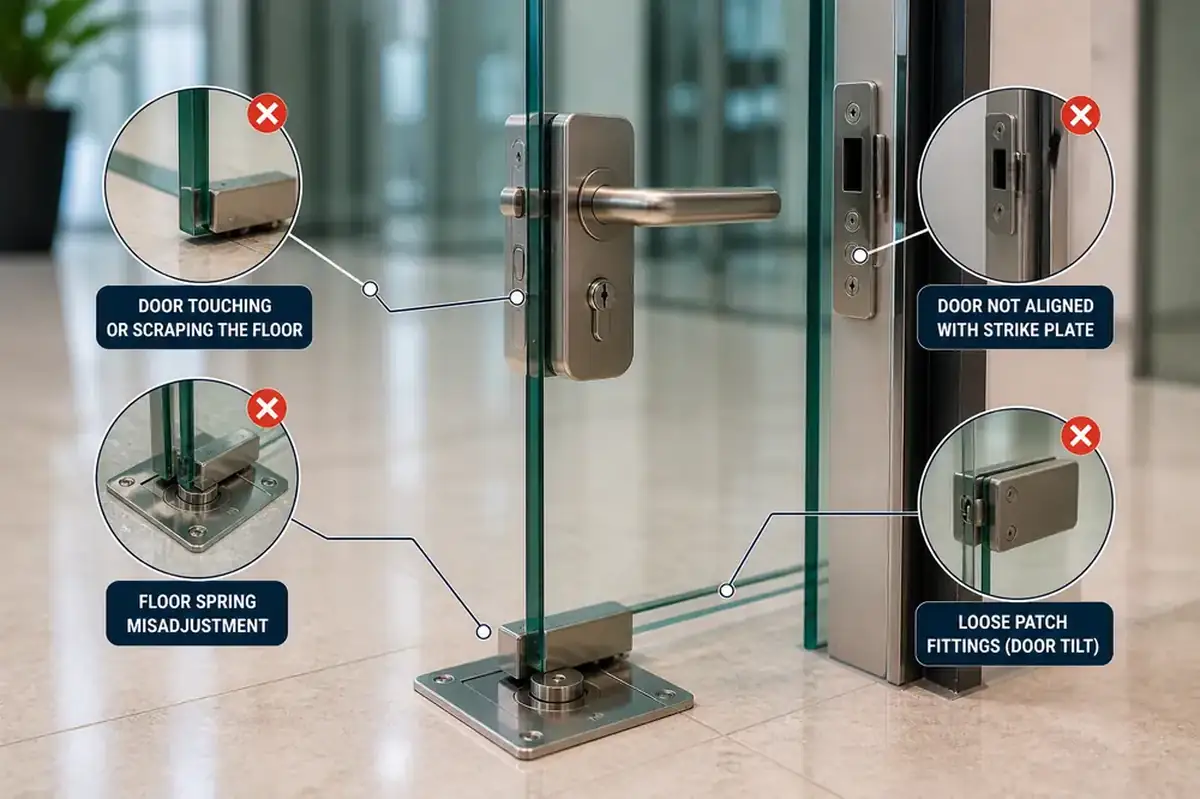
7. A Locksmith Can Spot a Door-Alignment Problem
Sometimes the lock gets blamed for a problem caused by the door.
You may notice that the key works normally when the door is open but becomes difficult to turn when the door is closed. You might need to push, pull, or lift the door before the lock operates.
These can be signs that the door and locking points aren't aligning correctly.
Simply replacing the cylinder may not fix that problem.
A locksmith can assess how the door, frame, and locking hardware interact and determine whether alignment is contributing to the difficulty.
Identifying this early can prevent unnecessary lock replacement and help address the actual cause of the problem.
8. A Locksmith Can Reduce the Risk of Unnecessary Door Damage
When you're locked out, the temptation is to solve the problem as quickly as possible.
That can lead to forcing the key, trying random objects in the keyway, or attempting to force the door.
These actions can potentially damage:
- The cylinder
- Lock mechanism
- Handle
- Latch
- Door
- Door frame
A professional locksmith can assess the lock before deciding on an entry method.
Non-destructive entry may be possible in some situations, but this depends on the lock's type and condition and should not be guaranteed before inspection.
The objective is to regain authorized access while avoiding unnecessary damage wherever practical.
9. A Locksmith Can Save You From Guessing What Service You Need
When you're locked out, you shouldn't have to diagnose the technical problem yourself.
You don't necessarily need to know whether you require:
- lock opening
- key extraction
- lock repair
- rekeying
- lock replacement
Tell the locksmith what happened.
For example:
“My key is inside.”
“I can't find my keys.”
“The key broke inside the lock.”
“The key goes in but won't turn.”
“The key turns, but the door doesn't open.”
A photo of the door and lock can also provide useful information before the technician arrives.
The locksmith can then determine what type of service is likely to be required.
10. A Locksmith Can Help You Deal With the Problem After You're Back Inside
Opening the door may solve the immediate frustration, but sometimes there is another issue to address.
If your keys were simply left inside, there may be nothing else to do.
If a key broke, however, you may need another key, and the lock may need to be checked.
If the keys were lost, you may need to consider whether the existing lock should be rekeyed or changed.
If the lock failed, it may need repair or replacement.
And if door alignment caused the problem, fixing only the cylinder may not prevent the issue from returning.
A locksmith can help identify these follow-up issues rather than treating every lockout as nothing more than opening the door.
House, Office and Car Lockouts Require Different Solutions
Being locked out doesn't always mean being locked out of your home.
A locksmith may encounter various lockout situations.
House Lockout
Residential doors can use cylinders, mortise locks, smart locks, and various other locking systems. The appropriate entry method depends on the actual door and lock.
Office Lockout
Commercial properties may have different door hardware and can also use master-key or electronic access-control systems.
The person requesting access should also have appropriate authorization to enter the property.
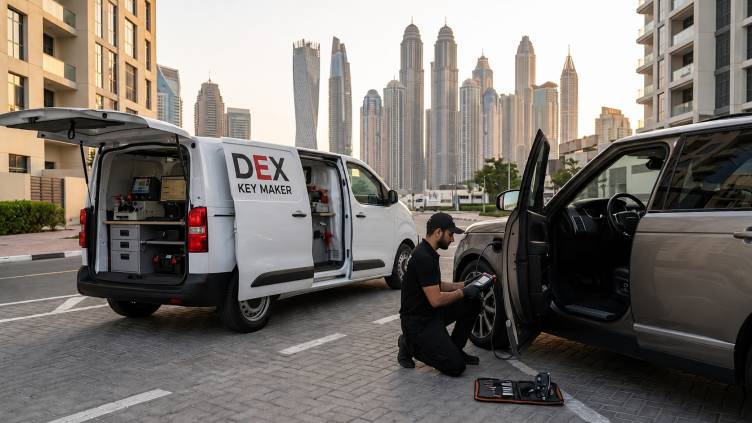
Car Lockout
Vehicle locks and electronic systems are very different from residential doors.
If you've locked your keys inside a vehicle or cannot access the car, treat it as an automotive locksmith problem rather than assuming the same approach used for a house door will work.
How to Make the Locksmith Visit Easier
You can also make the process smoother by providing useful information when you call.
Tell the locksmith:
- Your location in Dubai
- Whether it's a home, office, or vehicle
- Whether the key is lost, inside, or broken
- What happens when you try the key
- Lock brand or type, if known
- Any visible damage
If possible, send clear photos of the lock and door.
For security reasons, you may also be asked to provide identification or evidence that you are authorized to access the property.
Having this information available can make it easier to understand the situation before work begins.
How to Make Your Next Lockout Less Frustrating
Once you're back inside, it's worth thinking about how to reduce the inconvenience if the same thing happens again.
Consider having an additional key made for an authorized family member or trusted person.
Replace badly worn or bent keys before they break.
If a lock starts becoming difficult to turn, don't wait until it stops working completely. Have the cause checked.
And if the door increasingly needs to be pushed, pulled, or lifted before locking, investigate the alignment rather than continuing to force the key.
Small problems are usually easier to deal with before they become complete lockouts.
A Lockout Doesn't Have to Become a Bigger Problem
Being locked out is frustrating enough. Damaging the lock, breaking a key or forcing the door can make it considerably worse.
The main advantage of calling a professional Dubai locksmith isn't simply having someone open the door. It's having someone identify why you're locked out and determine an appropriate solution.
Sometimes that means opening the existing lock.
Sometimes it means extracting a broken key.
In other cases, the lock may need repair, rekeying, or replacement.
And occasionally, the lock isn't the main problem at all-the door itself needs attention.
The right solution depends on the situation.
So, when you find yourself standing outside without a working way in, avoid turning a frustrating lockout into a more complicated repair. A professional locksmith can help you regain authorized access and determine what, if anything, needs to be done afterward.


.png)