
Can Tenants Change Apartment Locks?
WHAT RENTERS NEED TO KNOW!
Maintaining the entrance hardware of an apartment is important for personal safety, privacy, and convenient daily access. Loose handles, worn cylinders, jammed latches, or unknown key copies can create concerns for tenants, particularly when several occupants have previously lived in the same property.
However, renters should not immediately modify an apartment entrance without first reviewing the tenancy agreement or informing the landlord or property manager. The door and its installed hardware normally form part of the rented property, so approval may be required before permanent changes are made.
In urgent situations, such as a lockout, broken key, or mechanism failure, a professional locksmith may be needed to restore access. Tenants should still document the fault and notify the responsible property representative as soon as possible.
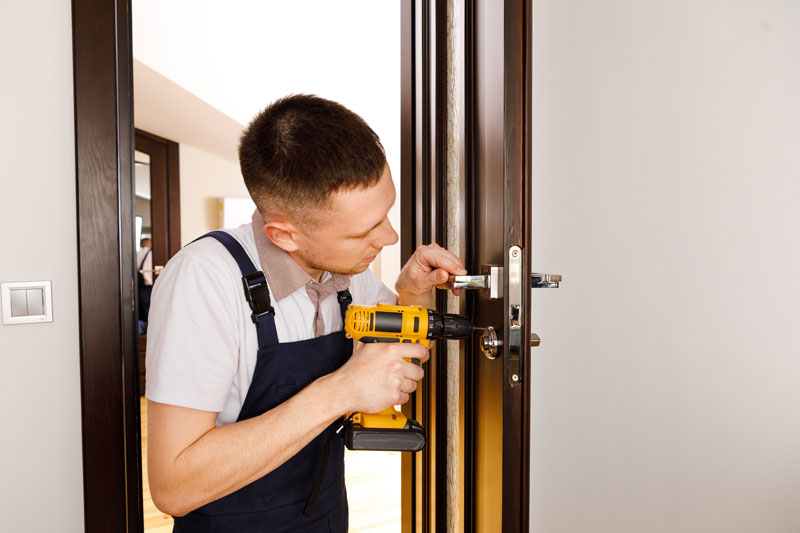
Apartment residents need confidence that their entrance is operating reliably and that access remains limited to authorised people. This applies whether the property is a studio, family apartment, serviced residence, or rented unit within a larger residential building.
Before arranging any work, tenants should check:
- Whether landlord approval is required
- Who currently possesses keys
- Whether spare keys were returned by previous occupants
- If the lock is part of a building master-key system
- Whether building management has emergency access
- If the mechanism can be repaired without permanent modification
- Whether the original hardware must be restored at the end of the tenancy
Instead of searching broadly for lock modification services, renters should first identify the exact fault and understand their responsibilities under the rental agreement.
Below are several common apartment entrance problems and how tenants should respond.
1. Loose Locks and Door Handles
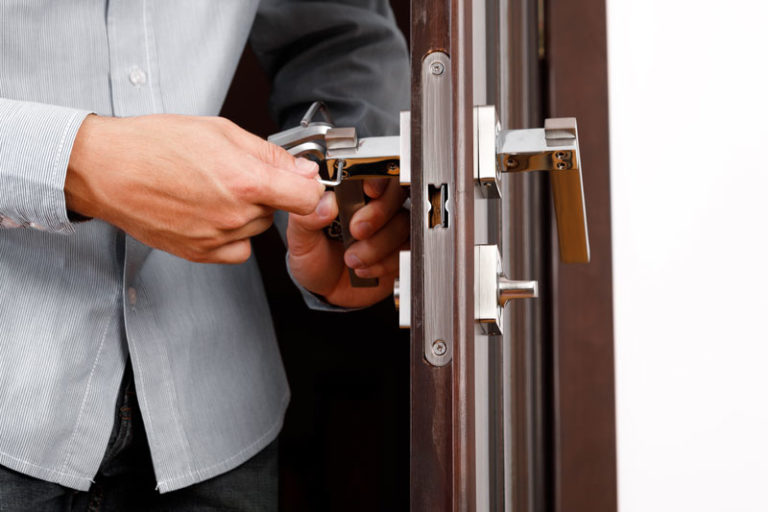
A door lock is a mechanical system made up of several smaller components. Regular use can gradually loosen screws, handles, spindles, plates, or internal springs.
A tenant may notice that:
- The handle moves excessively
- The lock body rattles
- The cylinder feels loose
- The lever does not return to position
- The hardware pulls away from the door
- The door requires extra force to close
At first, a loose handle may appear to be a minor inconvenience because the door still opens. However, ignoring the movement can place additional strain on the internal mechanism and mounting points.
The first step should be to inform the landlord or building maintenance team. In some cases, the hardware only requires tightening. If internal components or fixing points are damaged, a more detailed repair may be necessary.
Tenants should avoid repeatedly operating loose hardware with force, as this can increase the damage and potentially cause a complete failure.
2. Broken Keys Inside Locks
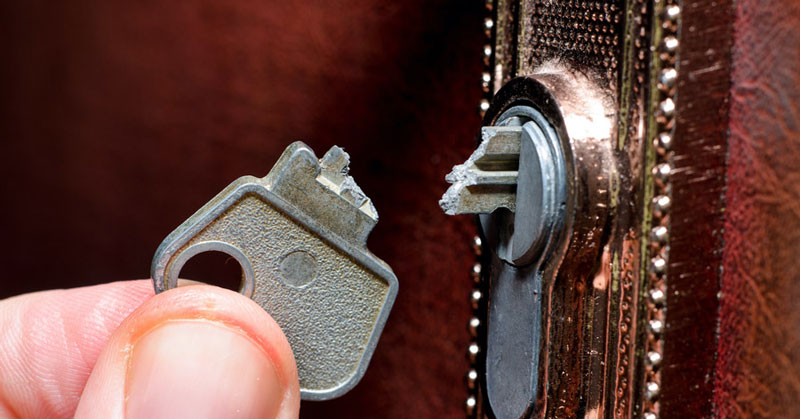
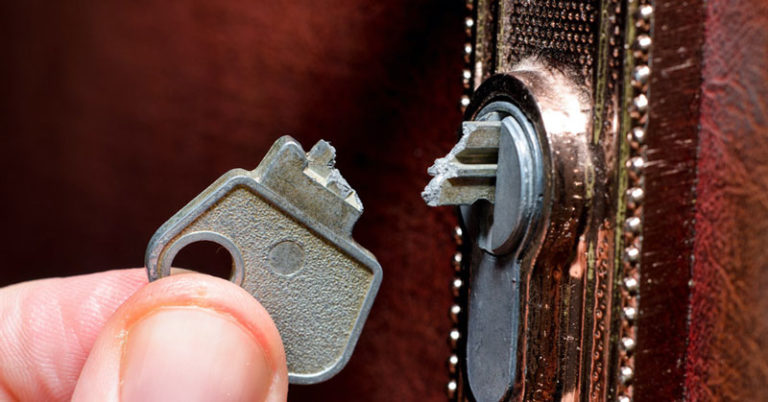
A key can break inside a cylinder because it is worn, bent, poorly cut, or being forced through a stiff mechanism. This situation can become especially inconvenient when the fragment remains trapped inside an apartment entrance.
Trying to remove the broken section using pins, knives, glue, or excessive force may push it deeper into the cylinder or damage the internal components.
When a key breaks:
- Stop turning or forcing the remaining section.
- Check whether the door is currently secured.
- Notify the landlord or property manager.
- Contact a qualified locksmith when professional extraction is required.
- Have the cylinder tested after the fragment is removed.
A spare key should only be tested after confirming that the keyway is clear and the mechanism has not been damaged.
When several keys have become difficult to use, the problem may be inside the cylinder rather than with one individual key.
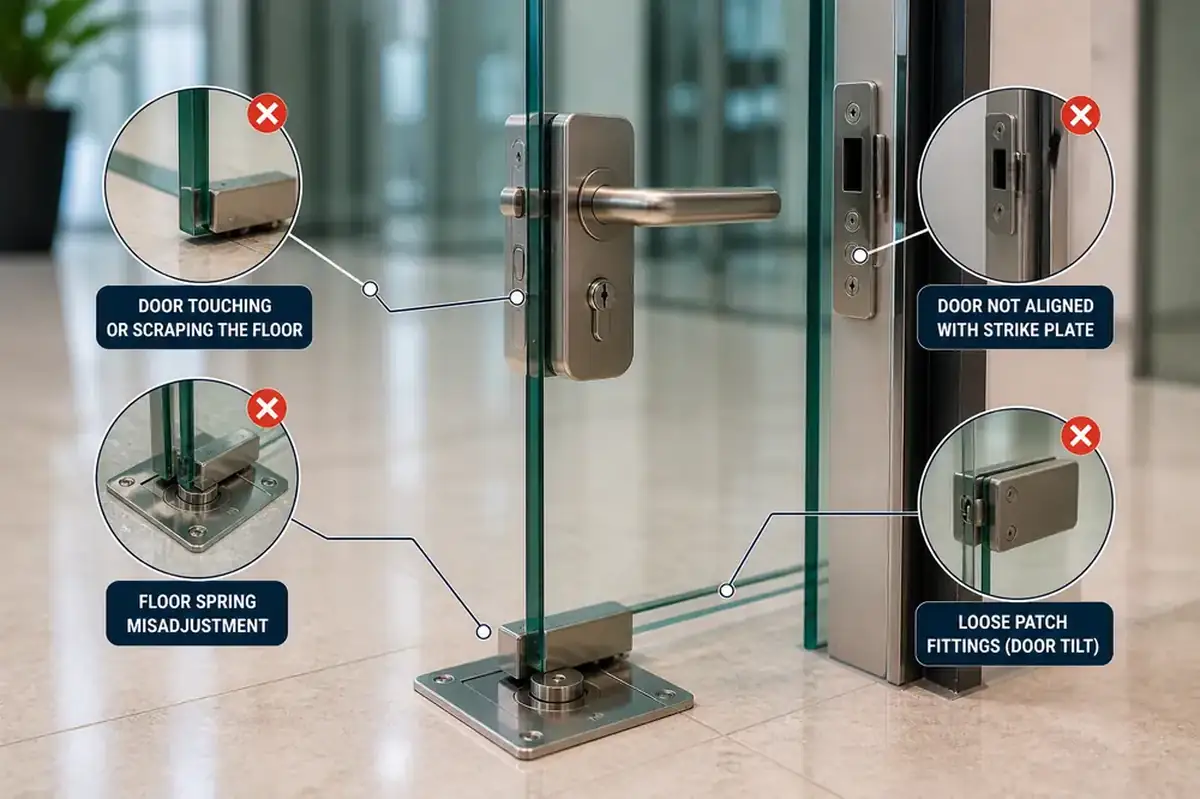
3. Misaligned Apartment Doors
A common reason an apartment entrance becomes difficult to secure is misalignment between the door and frame.
Over time, frequent use, loose hinges, frame movement, door swelling, or previous poor fitting may cause the latch or bolt to stop lining up correctly with the strike plate.
Typical signs include:
- The door must be pushed before it secures
- The handle needs to be lifted
- The latch rubs against the frame
- The bolt stops before fully extending
- The door operates differently during humid conditions
- The lock works while open but not while closed
This is not always a problem with the locking mechanism itself. The hinges, frame, strike plate, or door position may need adjustment.
Continuing to force a misaligned door can damage the latch, bolt, handle, and cylinder. Tenants should report the issue early rather than waiting until the entrance becomes unusable.
A proper inspection should identify whether the solution involves alignment, hinge adjustment, strike-plate positioning, mechanical repair, or a hardware update.
4. A Cylinder That Turns With the Key
When a key is inserted and turned, the key should move while the outer cylinder housing remains securely fixed in the door.
If the entire cylinder rotates, shifts, or pulls outward, the hardware is not secured correctly.
Possible causes include:
- Loose retaining screws
- A damaged fixing screw
- Incorrect cylinder size
- Worn mounting components
- Previous poor installation
- Damage around the lock opening
Although this fault may appear easy to identify, the correct repair depends on the lock design. Apartment entrances may use mortise locks, euro-profile cylinders, rim cylinders, deadbolts, or building-specific systems.
Tenants should not attempt to secure a moving cylinder with adhesive or improvised materials. The landlord or property manager should be informed because the cylinder may form part of a master-key or access-control arrangement.
The mechanism should be assessed before further use, particularly when the door cannot be secured reliably.
5. Jammed Locks and Latches
A jammed mechanism should not be ignored simply because it occasionally begins working again.
Locks and latches can become stiff or jammed because of:
- Dust and debris
- Internal wear
- Corrosion
- Misalignment
- A damaged key
- Broken springs
- Loose components
- Pressure from the door frame
- Previous incorrect repairs
A tenant may notice that the key stops halfway, the handle does not retract the latch, or the bolt remains inside the door.
Repeated force can break the key, damage the cylinder, or cause the internal mechanism to fail completely. In severe cases, the resident may become locked inside or outside the apartment.
The responsible landlord or maintenance contact should be informed promptly. A professional assessment can determine whether cleaning, alignment, component repair, or another solution is appropriate.
When Can a Tenant Modify Apartment Locks?
In many rental situations, tenants may be allowed to update entrance hardware, but permission should normally be requested first.
Approval is especially important when:
- The property uses a building master-key system
- Security personnel require emergency access
- The original lock belongs to the landlord
- Drilling or door modification is required
- The entrance is fire-rated
- The building has approved hardware standards
- The tenancy agreement restricts modifications
- The original setup must be restored when moving out
A tenant may have a valid reason for requesting a security update, including lost keys, an uncertain key history, a previous occupant retaining access, a damaged mechanism, or a personal safety concern.
The request should be documented in writing. Where approval is granted, the landlord may require a copy of the new key or confirmation of the work completed.
What Should Renters Check Before Approving Work?
Before any repair or hardware adjustment begins, confirm:
- The exact problem
- Whether the door is currently locked or open
- Who is responsible for the cost
- Whether landlord permission has been provided
- Whether building management must be notified
- If the existing hardware can be repaired
- Whether permanent drilling is necessary
- If the work affects a master-key system
- Whether the original hardware must be retained
- What workmanship support is provided
Tenants should also take photographs of the lock, handle, door edge, and visible damage before the work begins. This creates a clear record of the original condition.
Repair, Rekeying, or Access Update?
Different problems require different solutions.
Repair
Repair may be appropriate for loose handles, minor alignment faults, debris, worn springs, or a latch that does not move smoothly.
Rekeying
Rekeying changes the internal key combination so old keys no longer operate the cylinder. It may be possible when the existing lock is compatible and remains in good condition.
Access Reconfiguration
For digital or electronic systems, the solution may involve deleting previous PIN codes, fingerprints, access cards, or mobile accounts rather than replacing physical hardware.
Hardware Update
An update may be required when the existing mechanism is badly worn, damaged, obsolete, unreliable, or unsuitable for the apartment’s current access requirements.
A proper diagnosis should come before selecting the solution.
Final Thoughts
Tenants can often request changes to apartment entrance hardware, but they should not make permanent modifications without checking the tenancy agreement and informing the landlord or property manager.
Loose handles, broken keys, misaligned doors, moving cylinders, and jammed latches should be reported early. Many of these issues can be addressed through maintenance, alignment, repair, rekeying, or access reconfiguration without unnecessary changes to the complete locking system.
In emergencies, professional assistance may be required to restore safe access. Once the immediate issue is resolved, the entrance should be tested and the landlord should receive a clear update about the condition and work completed.
For renters, the correct approach is to identify the fault, document the concern, obtain the required permission, and choose a solution that protects both personal security and the rented property.
Frequently Asked Questions
Can a tenant change an apartment lock without permission?
This depends on the tenancy agreement and building rules. Tenants should generally obtain approval before making permanent changes to the apartment entrance.
Should the landlord receive a new key?
The landlord or building management may require emergency access. Confirm this requirement before arranging any modification.
Who pays when an apartment lock stops working?
Responsibility depends on the cause of the fault and the tenancy agreement. Normal wear may be handled differently from tenant-caused damage or lost keys.
Can a loose apartment handle be repaired?
Yes. It may only require tightening, spindle adjustment, or replacement of a worn component. The mechanism should still be inspected before it fails completely.
Why does my apartment door only secure when pushed?
The door, hinges, latch, bolt, frame, or strike plate may be misaligned. Correcting the alignment can restore smoother operation.
Can an existing apartment lock be rekeyed?
Some cylinders can be rekeyed if they are compatible and in good condition. Landlord approval may still be required.
What should I do if a key breaks inside the apartment lock?
Avoid forcing or pushing the fragment deeper. Notify the landlord and arrange safe extraction when professional assistance is necessary.
Can old smart-lock users be removed?
Yes. Previous fingerprints, PINs, cards, mobile accounts, and administrator access should be removed when a tenant takes possession of a property.



.png)