

Door Lock Cylinder Replacement: Signs, Types and Rekeying Options
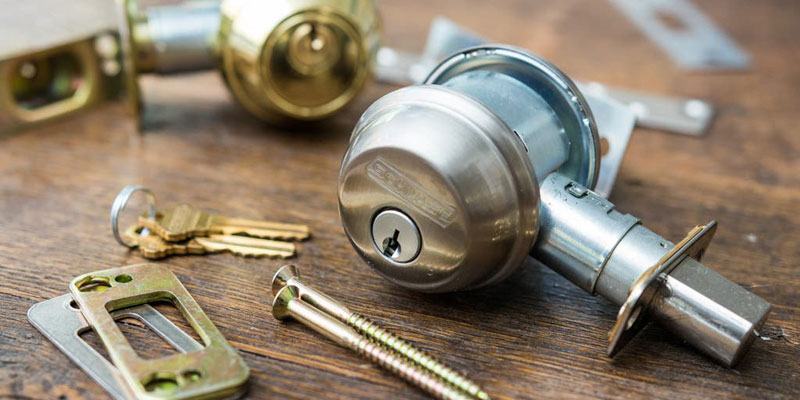
A door lock cylinder is the component into which the key is inserted. When this part becomes worn, loose, damaged, or difficult to operate, it may be possible to replace only the cylinder rather than removing the complete lockset.
Cylinder replacement can restore smooth key operation, prevent old keys from working, and improve the security of an entrance while retaining compatible handles, mortise bodies, latches, and other existing hardware.
However, a stiff or unreliable lock does not always mean the cylinder is faulty. Problems may also be caused by a damaged key, poor door alignment, a worn mortise mechanism, loose hardware, or pressure between the bolt and strike plate. The fault should therefore be identified before any component is remove
When Should a Door Lock Cylinder Be Replaced?
A cylinder often shows warning signs before it fails completely. Property owners should arrange an inspection if they notice:
- The key is difficult to insert or remove
- The key only turns at a particular angle
- The cylinder moves inside the door
- The complete cylinder rotates with the key
- The key frequently becomes stuck
- Different copies of the key behave inconsistently
- The keyway appears worn or damaged
- Internal parts have been affected by a broken key
- The cylinder has visible rust or corrosion
- The lock has been tampered with
- The existing cylinder is the wrong size
- Lost or unreturned keys create an access concern
Continued use of a faulty cylinder may eventually result in a broken key, jammed mechanism, or unexpected lockout.
Before replacing the cylinder, test the key while the door is open. If the key turns smoothly when the door is open but becomes difficult when the door is closed, the issue may involve door or frame alignment rather than the cylinder itself.
Cylinder Replacement and Rekeying: What Is the Difference?
Cylinder replacement and rekeying can both prevent previous keys from opening a door, but they are different procedures.
Replacing the Existing Cylinder
Cylinder replacement involves removing the existing key cylinder and installing another compatible unit. The rest of the lock may remain in place if it is secure and operating correctly.
This option may be suitable when:
- The existing cylinder is damaged
- The keyway is heavily worn
- The cylinder is loose or incorrectly sized
- Internal components repeatedly jam
- Corrosion has affected operation
- The current cylinder offers insufficient protection
- A compatible security cylinder is preferred
- The existing cylinder cannot be rekeyed
The new component must match the lock profile, dimensions, cam, door thickness, and fitted hardware.
Rekeying the Cylinder
Rekeying changes the internal pin arrangement so that the cylinder operates with a new key. The cylinder itself remains installed, but the previous keys no longer work.
Rekeying may be practical when:
- The cylinder remains in good condition
- The current hardware should be retained
- Key ownership is uncertain
- Previous occupants should no longer have access
- Compatible cylinders need to operate with one key
- There is no reason to install new hardware
Not every cylinder supports rekeying. Sealed, damaged, low-quality, or specialised cylinders may require another solution.
Common Types of Door Lock Cylinders
Different locks use different cylinder profiles. A replacement must match the existing locking mechanism.
Euro-Profile Cylinders
Euro-profile cylinders are commonly used in residential and commercial doors with mortise or multipoint locking systems.
Available configurations include:
- Key operation on both sides
- Key access outside with a thumb turn inside
- Single-sided key operation
- Emergency-function cylinders
- Reinforced or anti-snap cylinders
Euro cylinders are available in many lengths. An incorrectly sized unit may sit too deeply inside the handle or project excessively beyond the exterior hardware.
Rim Cylinders
Rim cylinders are normally fitted through the outer surface of the door and connected to a lock case mounted on the interior side.
The cylinder tailpiece must be cut or adjusted correctly. If it is too short, too long, or poorly aligned, it may fail to operate the internal mechanism smoothly.
Oval Cylinders
Oval cylinders perform a similar function to euro-profile cylinders but use a different exterior shape. They must match the lock case, cam arrangement, and existing door preparation.
Interchangeable Core Cylinders
Some offices, managed buildings, and commercial properties use interchangeable core systems. An authorised control key allows the core to be removed and updated without dismantling the entire lock.
These systems require compatible hardware and controlled key management.
Cylinder Replacement in Mortise Locks
A mortise lock contains a lock body fitted inside a pocket in the edge of the door. The cylinder operates the internal mechanism through a cam.
Before fitting a mortise cylinder, the installer should verify:
- Cylinder profile
- Thread dimensions
- Cylinder length
- Cam type
- Lock-body compatibility
- Door thickness
- Escutcheon depth
- Retaining screw position
- Internal mechanism condition
An incorrectly selected cylinder may fail to engage with the mortise body or may sit too far inside or outside the door hardware.
The mortise mechanism should also be tested independently. Installing a new cylinder will not resolve worn gears, a damaged latch, or internal lock-body failure.
Cylinder Replacement in Deadbolt Locks
Deadbolts typically include an exterior keyed cylinder, a connecting tailpiece, a bolt, and an internal thumb turn or second keyed cylinder.
Before attributing a fault to the cylinder, inspect:
- Exterior cylinder movement
- Tailpiece alignment
- Interior thumb-turn operation
- Bolt movement
- Mounting screws
- Strike plate
- Door and frame alignment
A deadbolt that works while the door is open but becomes stiff when the door is closed is often affected by strike-plate or frame alignment.
Replacing the cylinder without correcting that pressure may leave the original problem unresolved.
Why Correct Cylinder Measurements Matter
A replacement cylinder should be measured before a new component is ordered.
Measurements are generally taken from the centre fixing point toward the interior and exterior sides. The two measurements may differ depending on the door thickness, handle, escutcheon, and existing preparation.
Confirm:
- Overall cylinder length
- Interior-side measurement
- Exterior-side measurement
- Key-and-key or key-and-thumb-turn configuration
- Cylinder profile
- Cam or tailpiece type
- Door thickness
- Handle or escutcheon depth
A cylinder that is too short may be difficult to operate. One that projects too far beyond the exterior hardware may be vulnerable to physical force.
Standard and Security Cylinders
Standard cylinders may be suitable for interior or lower-risk applications. Main entrance doors may benefit from cylinders that include additional protective features.
Depending on the model, these may include:
- Anti-snap construction
- Anti-drill components
- Anti-pick pins
- Reinforced internal bars
- Restricted key duplication
- Bump-resistant mechanisms
- Emergency or dual-clutch operation
Cylinder quality is only one part of entrance security. The door, frame, mortise body, hinges, strike plate, handles, and installation quality must also be considered.
A strong cylinder cannot fully compensate for a damaged frame or weak door.
Common Cylinder Installation Mistakes
Incorrect installation can cause a new cylinder to become difficult or unreliable.
Common mistakes include:
- Purchasing the wrong profile
- Using an incorrect cylinder length
- Installing an incompatible cam
- Fitting the cylinder at an angle
- Overtightening the retaining screw
- Leaving the cylinder loose
- Failing to test the lock body
- Ignoring door alignment
- Allowing excessive exterior projection
- Testing only while the door is open
After installation, the cylinder should be tested from both sides. The key, thumb turn, latch, bolt, and handle should operate smoothly with the door open and closed.
Can a Faulty Cylinder Be Serviced?
Not every cylinder problem requires immediate replacement. Minor issues may sometimes be resolved through servicing.
Servicing may be appropriate when:
- Dust or debris is affecting the keyway
- The cylinder is only slightly stiff
- The retaining screw is loose
- A badly cut key is causing difficulty
- Suitable maintenance can restore operation
- The cylinder remains structurally secure
Replacement is usually more appropriate when:
- Internal parts are heavily worn
- The cylinder has been forced or drilled
- The keyway is badly damaged
- Severe corrosion is present
- The cylinder repeatedly fails
- The unit is incorrectly sized
- Internal parts are unavailable
- The existing security level is unsuitable
Avoid applying cooking oil, thick grease, or unsuitable sprays inside the keyway. These products can attract dirt and make the mechanism worse over time.
What to Check Before Arranging Cylinder Work
Provide the following information before booking an assessment:
- A photograph of the lock from outside
- A photograph of the lock from inside
- A clear image of the door edge
- Lock or cylinder brand, where visible
- Door thickness
- Cylinder measurements, if available
- Description of the problem
- Whether the door is open or locked
- Whether any keys are missing
- Whether the lock forms part of a master-key system
- Whether landlord or building approval is required
Apartment tenants and commercial occupants should confirm whether the existing cylinder is connected to a managed access system before authorising changes.
When a Complete Lock Assessment Is Necessary
Cylinder replacement may not solve the problem when the fault originates elsewhere.
A broader assessment may be required when:
- The handle does not retract the latch
- The bolt remains inside the door
- The lock body makes grinding sounds
- The door must be lifted before locking
- The mechanism works only from one side
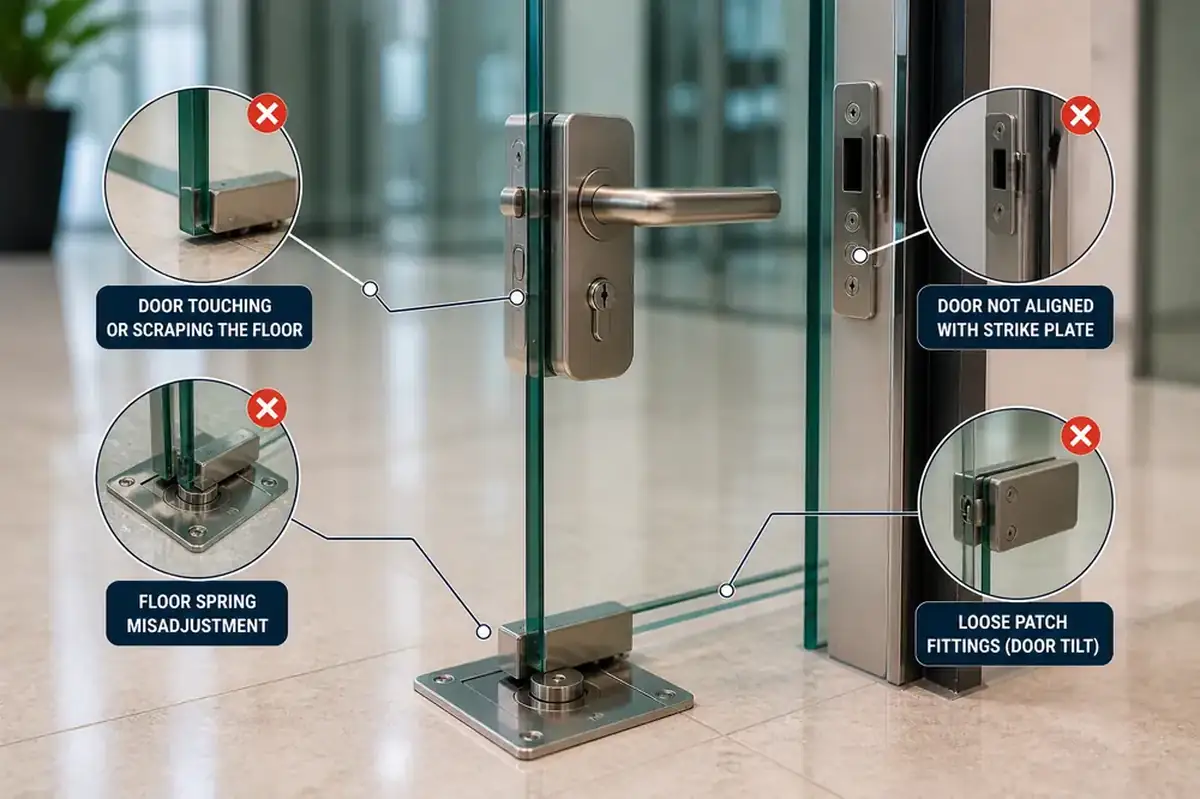
- The strike plate is badly misaligned
- The mortise body is damaged
- Previous drilling has weakened the door
- Multiple components are loose or worn
In these situations, the cylinder may be working correctly while another part of the entrance hardware requires attention.
Conclusion
Door lock cylinder replacement can restore reliable key operation and improve access control without requiring every part of the locking system to be removed.
The correct solution depends on whether the fault lies in the cylinder, key, mortise body, deadbolt, door alignment, or frame. A cylinder in good condition may only require servicing or rekeying, while a worn, damaged, loose, or incorrectly sized component may need replacement.
Accurate measurements and correct compatibility are essential. The replacement should match the cylinder profile, dimensions, cam, lock body, and door hardware.
Once the work is complete, the key, thumb turn, bolt, latch, and locking movement should be tested from both sides with the door open and closed.
Frequently Asked Questions
Can only the cylinder be replaced without removing the full lock?
Yes, when the remaining lock body, handles, latch, and other hardware are compatible and remain in good condition.
How do I know whether the cylinder is faulty?
Common signs include a sticking key, loose cylinder, rotating cylinder body, damaged keyway, inconsistent operation, and visible corrosion.
Is rekeying the same as cylinder replacement?
No. Rekeying changes the internal pin combination of the existing cylinder. Replacement installs a different cylinder.
Why does the key turn smoothly when the door is open but not when it is closed?
This usually suggests pressure or misalignment between the bolt, latch, strike plate, door, or frame rather than a cylinder fault.
Can every cylinder be rekeyed?
No. Rekeying depends on the cylinder design and condition. Some sealed, damaged, or specialised units cannot be rekeyed.
What measurements are required for a euro cylinder?
Measure from the centre fixing point toward both the interior and exterior sides. The profile, cam, door thickness, and escutcheon depth must also be checked.
Is a security cylinder enough to protect an entrance?
It can improve one component of the entrance, but door strength, frame condition, handles, hinges, strike plate, and installation also affect security.
Should tenants replace an apartment cylinder without permission?
Tenants should check the tenancy agreement and obtain any necessary approval from the landlord, property manager, or building management.



.png)